In summer you want to enjoy bright colors. But many crops have a very limited flowering period, which is why you need to plan planting so that something is always blooming in the flower bed. This task is made easier by planting plants that bloom from June to August almost continuously.
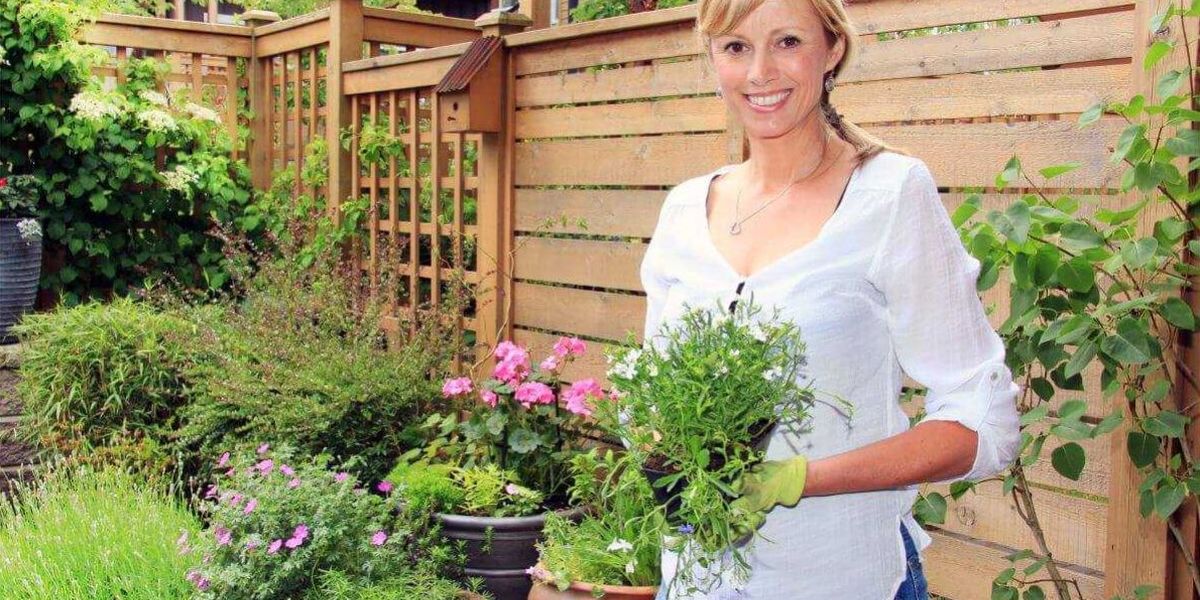
Plants that bloom all summer are a real find for gardeners. Such crops are often undemanding but very showy. Many of them can continue to delight with buds even in autumn if proper care is provided.
Annuals that bloom all summer
To get flowers already this summer, it is worth sowing annual crops. With their help you can diversify the species composition of flower beds, fill empty spaces, and create bright accent points. For earlier flowering, annuals are best grown through seedlings.
Marigolds
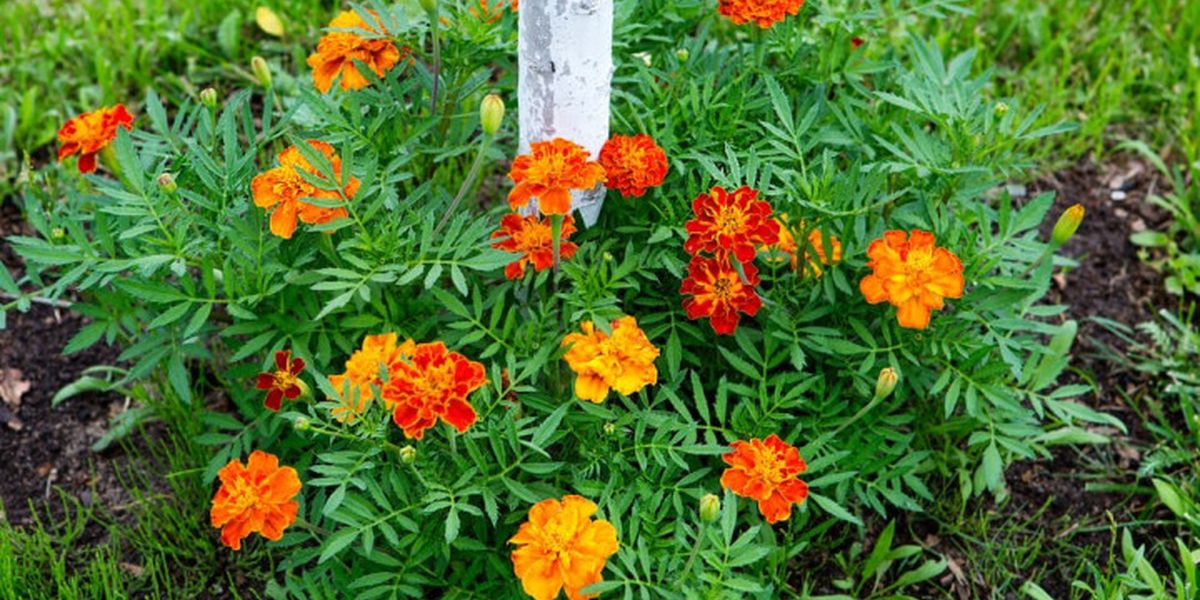
Spectacular and unpretentious flowers that can bloom from June until the first autumn frosts. The main colors of the buds are yellow, orange, red-brown. Especially popular are low-growing double marigolds used to decorate garden paths and the front of flower beds. There are also marigolds with large spherical inflorescences of white and cream shades resembling chrysanthemums, thin-leaved marigolds with very small flowers (Lulu Lemon variety, etc.).
Marigold seeds are sown for seedlings in March-April. Young plants are planted in May after the danger of return frosts has passed. In April-May, sowing can be done directly in the ground. Marigolds grow best in full sun or light partial shade. The soil should be loose, fertile, with neutral or slightly acidic reaction.
Marigolds repel plant pests and improve soil health.
Cosmea
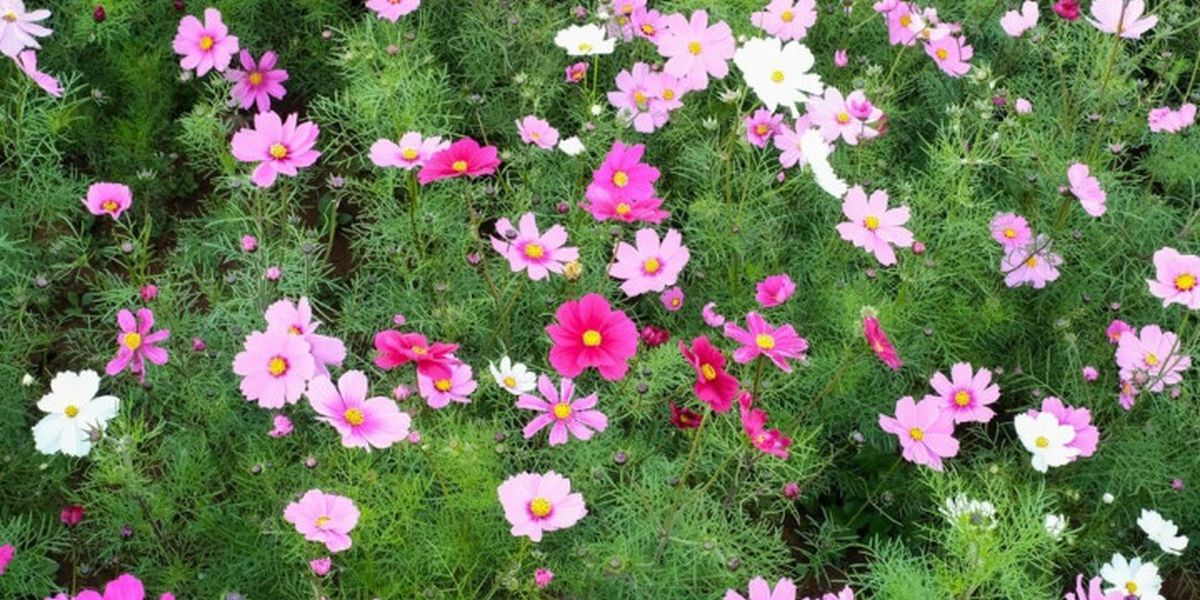
Delicate cosmea will also bloom all summer. The plant looks like a chamomile, but its petal colors are much more diverse – from white to burgundy. Its airy leaves are also decorative. Among unusual varieties: Sea Shells with tubular petals, Candy Stripe with pink edging.
Cosmea can be sown directly into the soil in April-May. It is very undemanding and grows well even on poor soils, but only in good sunlight. It easily self-seeds, so if you don’t want it to grow in unwanted places, it is worth cutting off faded flowers before seeds form.
Lobelia
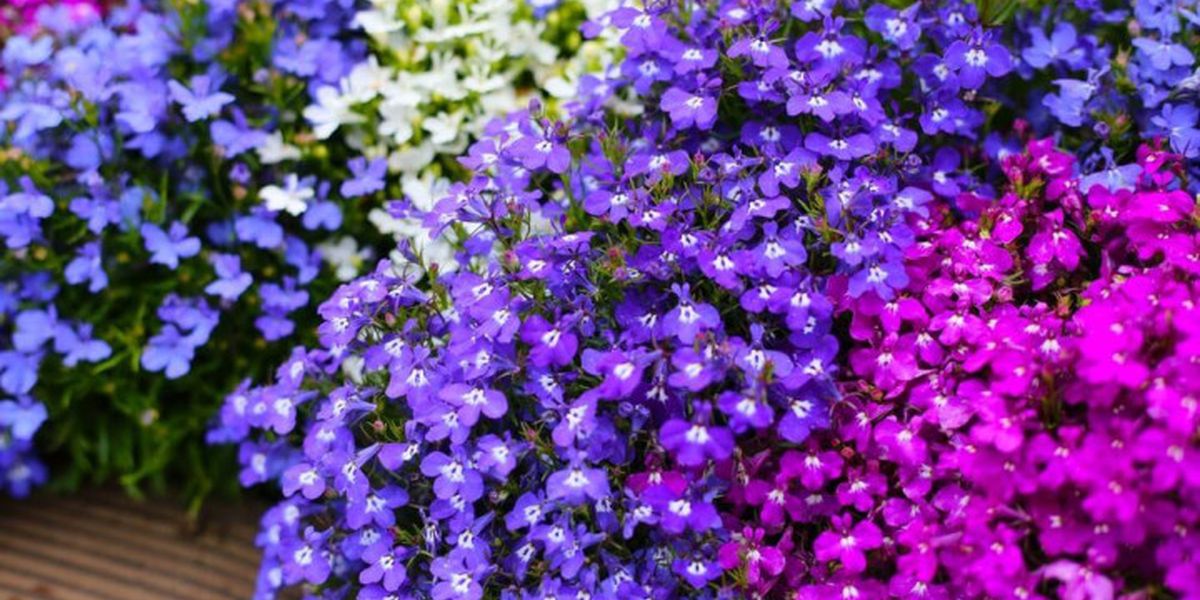
Two forms of lobelia can be grown on the site – bush and trailing. The flowers are small and come in various colors, and most importantly, they decorate the plants almost until frost. There is a secret: lobelia needs regular watering and a mid-summer pruning that stimulates new flowering.
Lobelia is sown for seedlings from late January to March. The seeds are very small, so it is advisable to mix them with sand first. Planting of grown seedlings is done in May, choosing a sunny place with light, loose, moderately fertile soil. Later, lobelia can be propagated by cuttings to obtain more plants.
When growing lobelia in containers, more frequent watering and feeding will be required.
Petunia
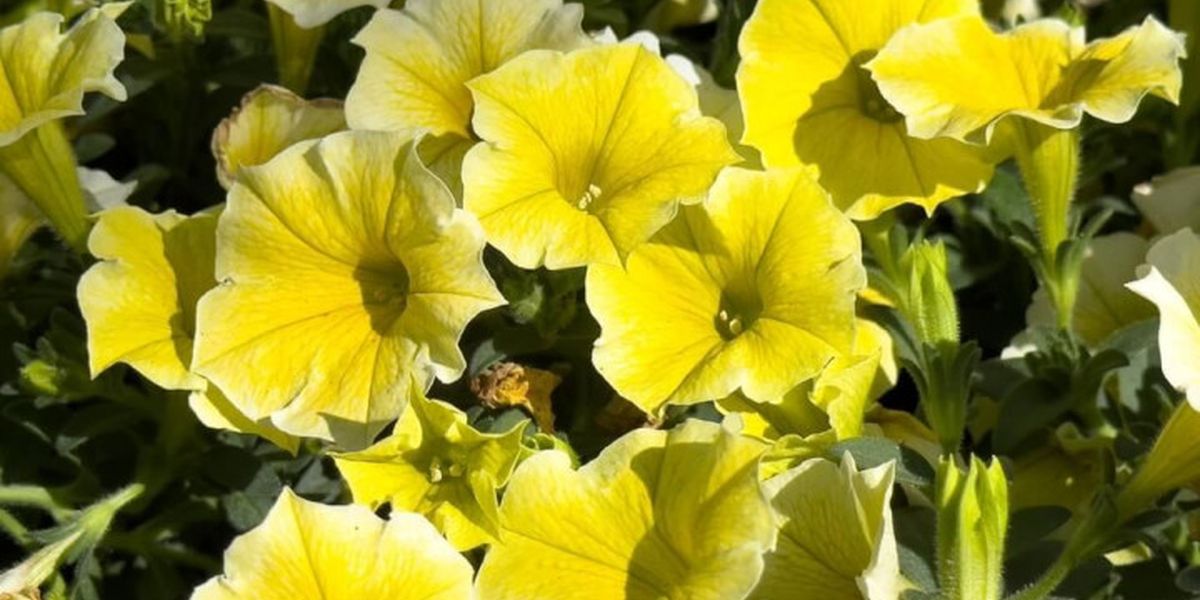
One of the most popular long-blooming annuals. The variety of forms, flower sizes, and colors of petunia is astonishing. There are options even for the most demanding gardeners, such as Night Sky with dark purple or blue petals dotted with small white spots, Black Velvet with black flowers, and compact small-flowered Milliflora series.
Petunia should be sown in February-March, and planted in flower beds or containers in May-June. The plant is light-loving and prefers fertile, moisture-retentive soil.
In winter, petunia can be brought indoors and then propagated by cuttings to plant already grown bushes in spring.
Eschscholzia
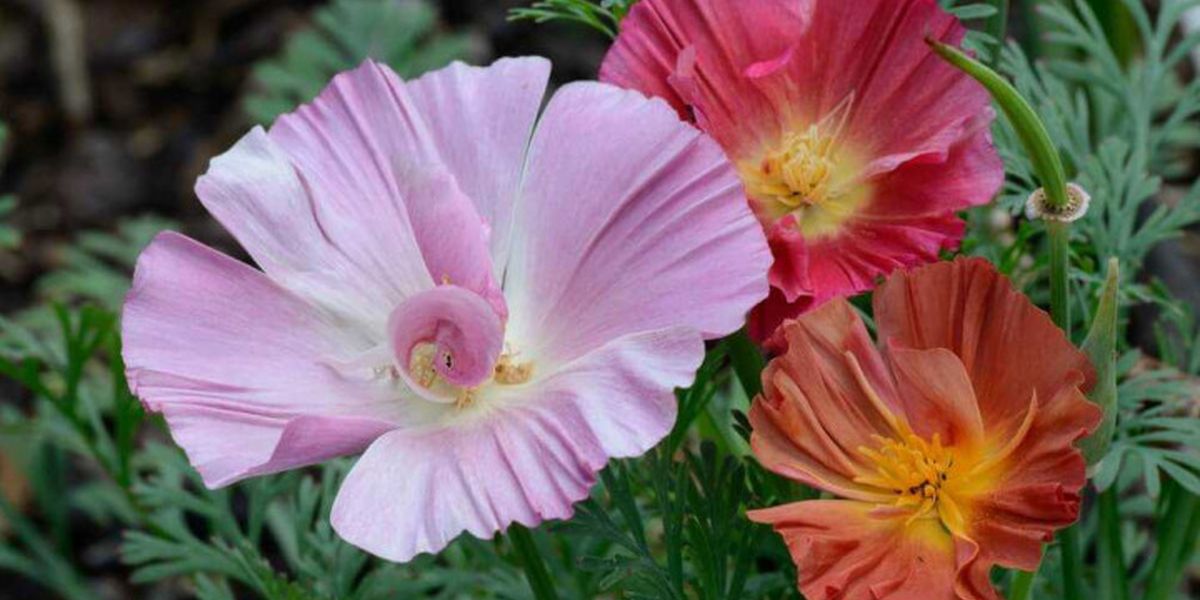
Eschscholzia actively blooms from June to September-October, constantly producing new buds in yellow, orange, red, white, pink, cream shades. Petals can be simple, ruffled, double or semi-double. Its finely cut bluish-green leaves are also decorative.
In spring, eschscholzia is sown directly into the soil in April-May because seedlings do not tolerate transplanting well. The location should be sunny with light sandy soil. The plant is unpretentious and self-seeds easily.
Perennials that bloom all summer
Plants cultivated as perennials usually grow green mass and roots in the first year and bloom abundantly in the second. Most can be propagated by seeds, division, or cuttings.
After the first wave of flowering, perennials are pruned or only faded flowers are removed to stimulate new buds. This also helps prevent unwanted self-seeding.
Flowering periods may differ between varieties of the same species.
Heliopsis
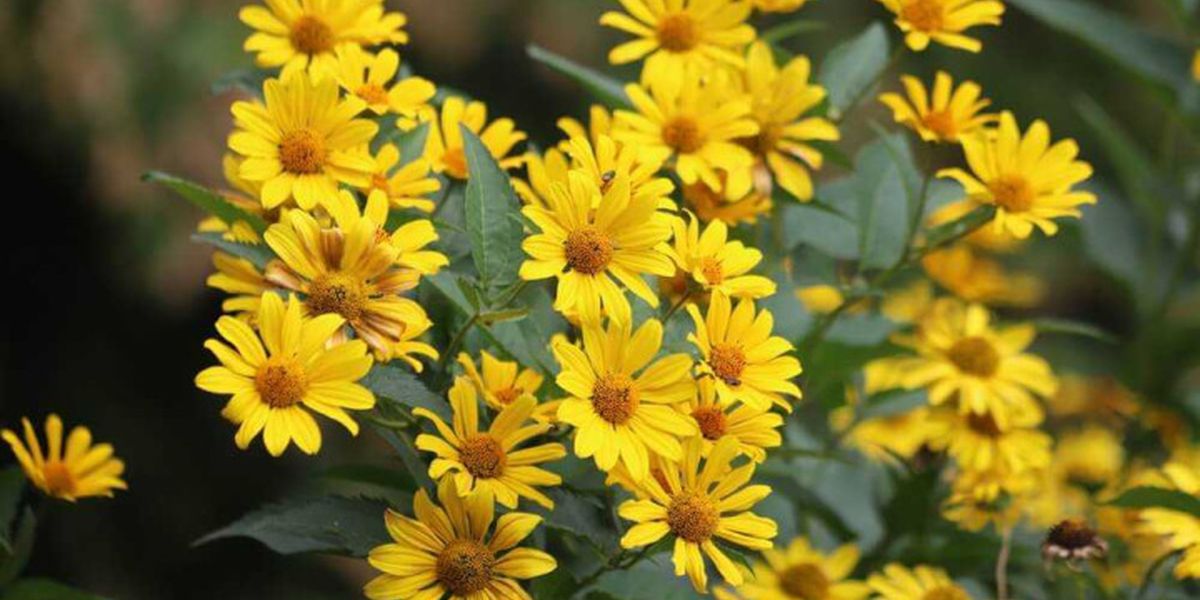
An unpretentious long-blooming perennial with golden flowers. Heliopsis blooms from June-July to September. Flowers can be simple or double. Tall heliopsis can reach 150–160 cm and may require staking.
Sowing heliopsis for seedlings is done in February-March, in open ground in April. In May and June, seedlings or divisions are planted in flower beds. It grows best in sunny locations with fertile, well-drained soil.
Garden geranium
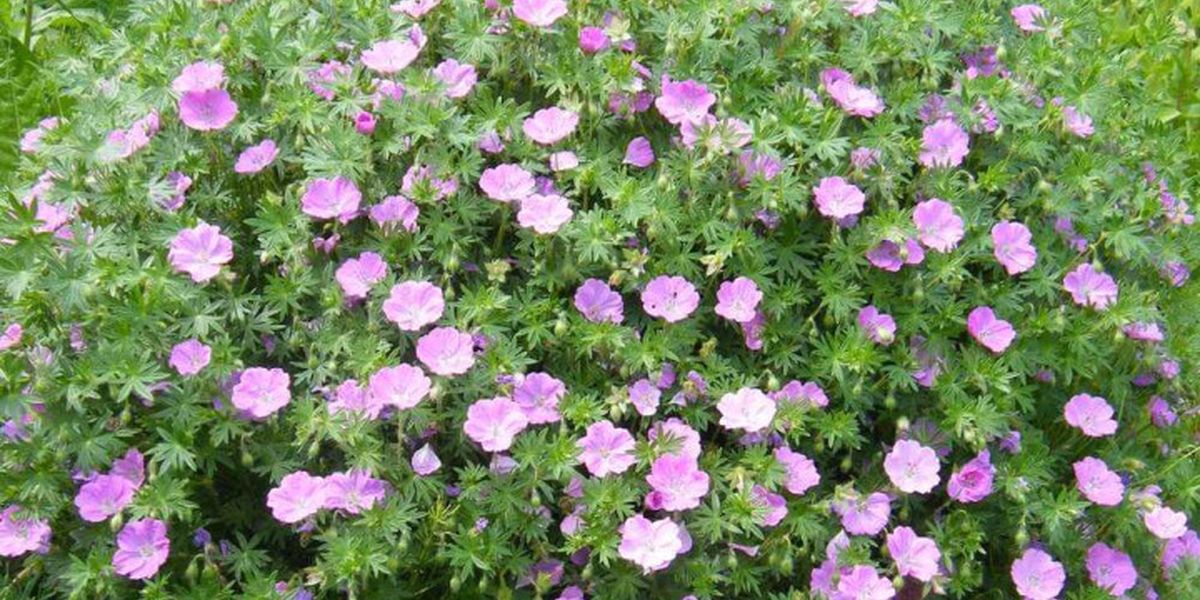
Garden geranium is also a long-flowering, low-maintenance perennial. For this purpose, it is better to choose blood-red, hybrid, Himalayan, or ash geraniums, which bloom from June until frost. The color palette is mainly white, pink, purple, and lilac. Bushes can be spreading or compact, up to 80 cm tall.
Sowing geranium for seedlings starts in late February – early March. In April-May, sowing can be done directly in the garden. In the same period, young plants are planted. It prefers sunny or lightly shaded places with loose, fertile, well-drained soil.
Catmint
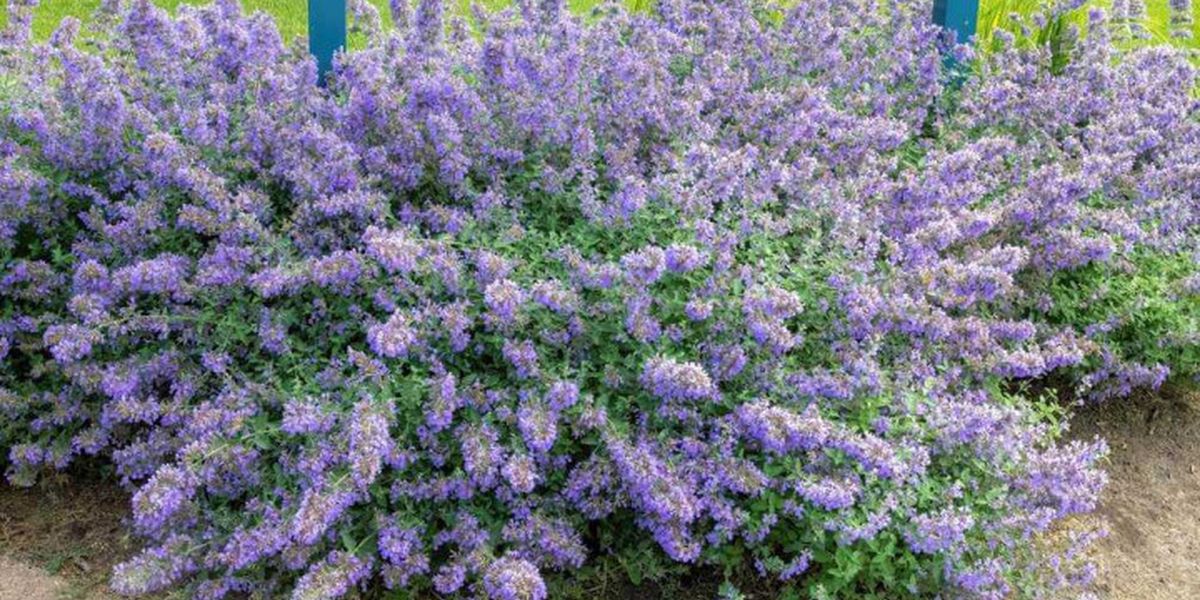
Those who want a lush bush covered in flowers almost all season should plant catmint. It is highly decorative, fragrant, and an excellent honey plant. It blooms from May-June to October. Flowers are mainly blue-purple and blue, less often pink and white. Height varies from 50–60 cm depending on variety.
Sowing for seedlings is done in March, in open ground in April-May. After frost danger passes, plants are placed in a sunny location. Soil should be light, loose, moderately fertile, with neutral pH.
Lady’s mantle
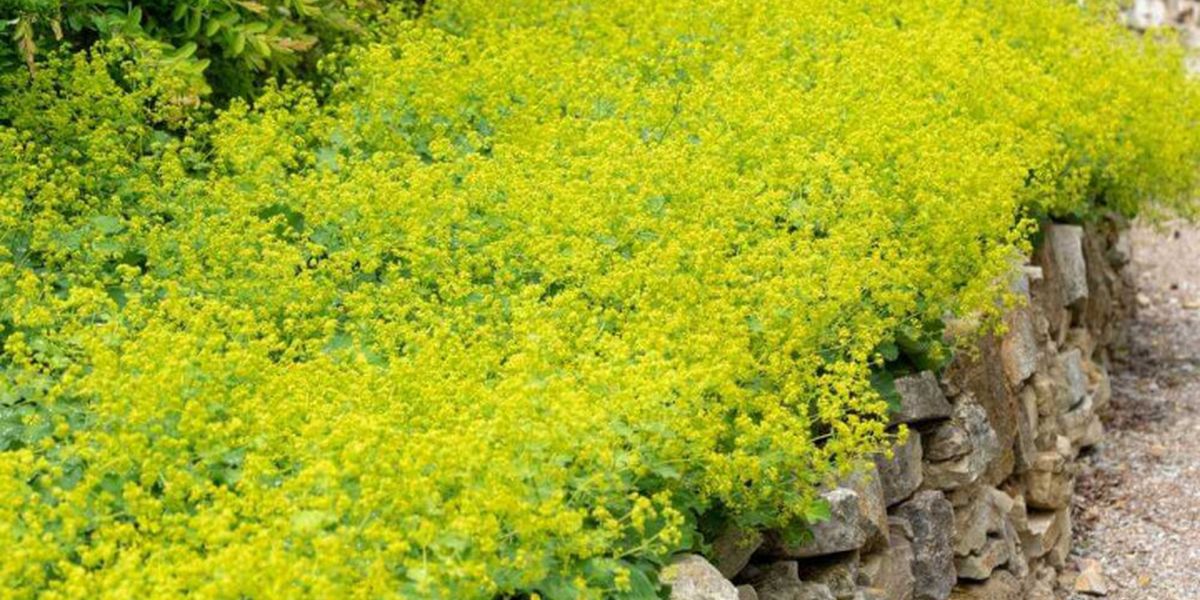
Another aromatic plant with a long flowering period from June to August-September. Despite its modest-looking flowers, lady’s mantle impresses with dense inflorescences and beautiful cut leaves.
Sowing for seedlings is done in March-April. Young seedlings and divisions are planted in May when the soil warms up. It can also be sown directly in the garden in late April–early May. It grows best in full sun. Soil should be fertile, moist, with neutral or slightly acidic reaction.
Oak sage
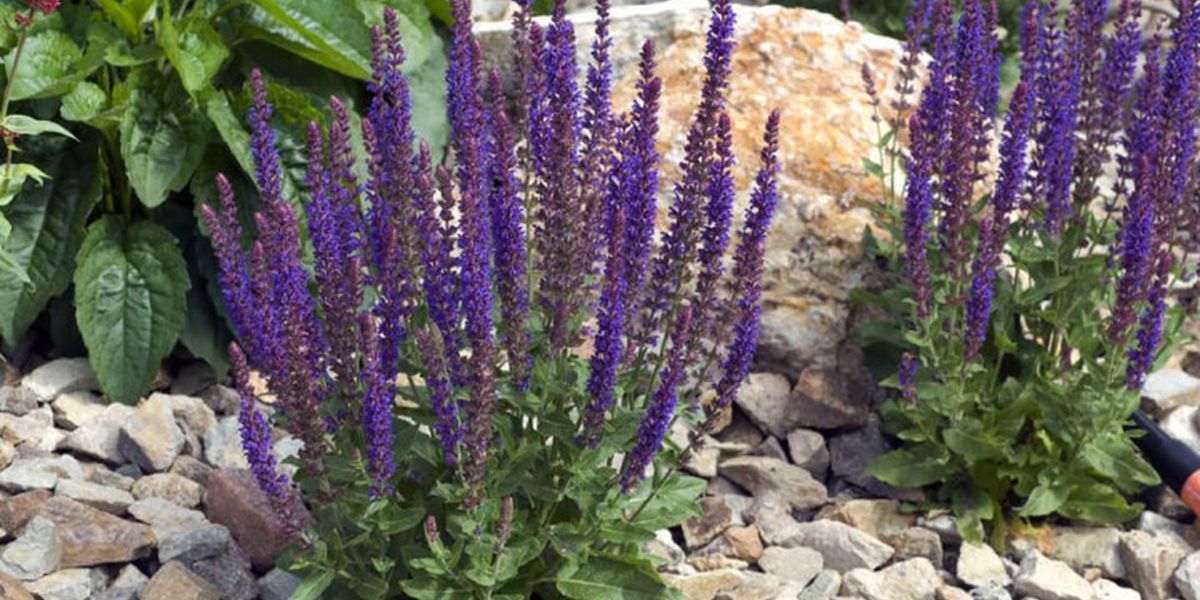
Beautiful, aromatic, medicinal – all this is oak sage (Salvia nemorosa). It has a long flowering period from mid-June to late August. Flower colors are limited to purple, pink, and white tones, but this is compensated by durability and unpretentiousness.
Sowing for seedlings is done from late February. In mid-May plants are planted in flower beds. Direct sowing is possible in late April–early May. It grows well in partial shade and sun, prefers fertile, light soil without water stagnation.
Ornamental shrubs that bloom all summer
Planting flowering shrubs is a long-term investment. It is best to choose their location carefully to avoid difficult transplanting later.
They are best planted at the back of flower beds. They can also be used for zoning the site or creating hedges. They also look great as standalone plants.
Weigela
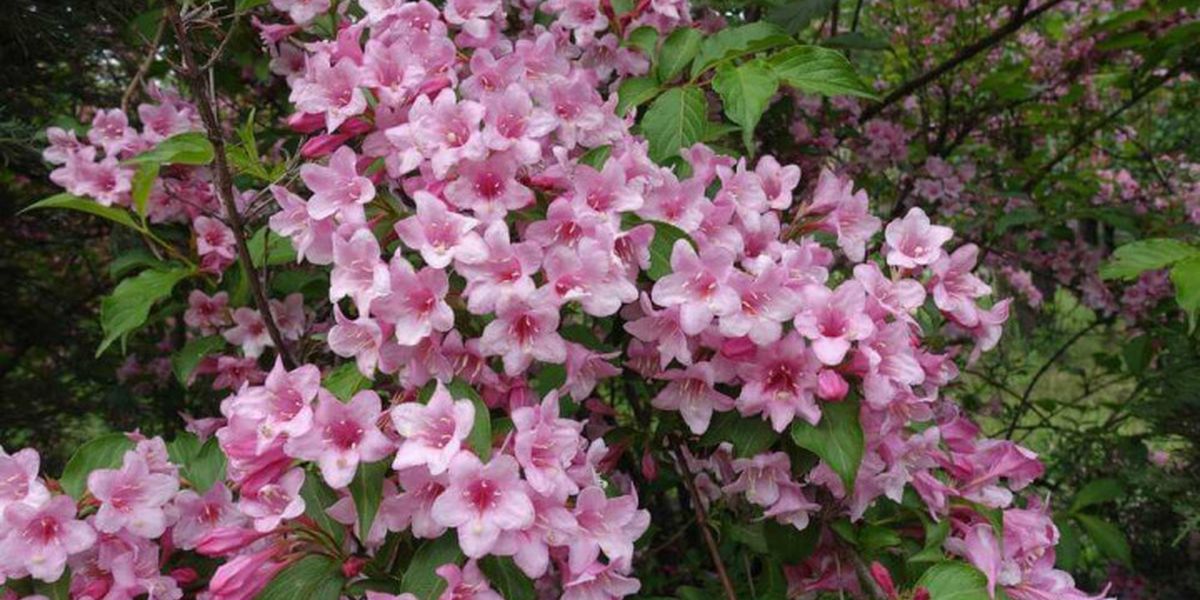
A popular deciduous shade-tolerant shrub with tubular flowers of various colors. It blooms mainly in May-June and again in August-September. Remontant varieties such as All Summer Red have the longest flowering.
Weigela seedlings are planted when the soil warms up, around late April–early May. It blooms best in sun or partial shade, in sheltered locations without stagnant moisture. Soil should be loose, humus-rich, neutral or slightly alkaline.
Hydrangea
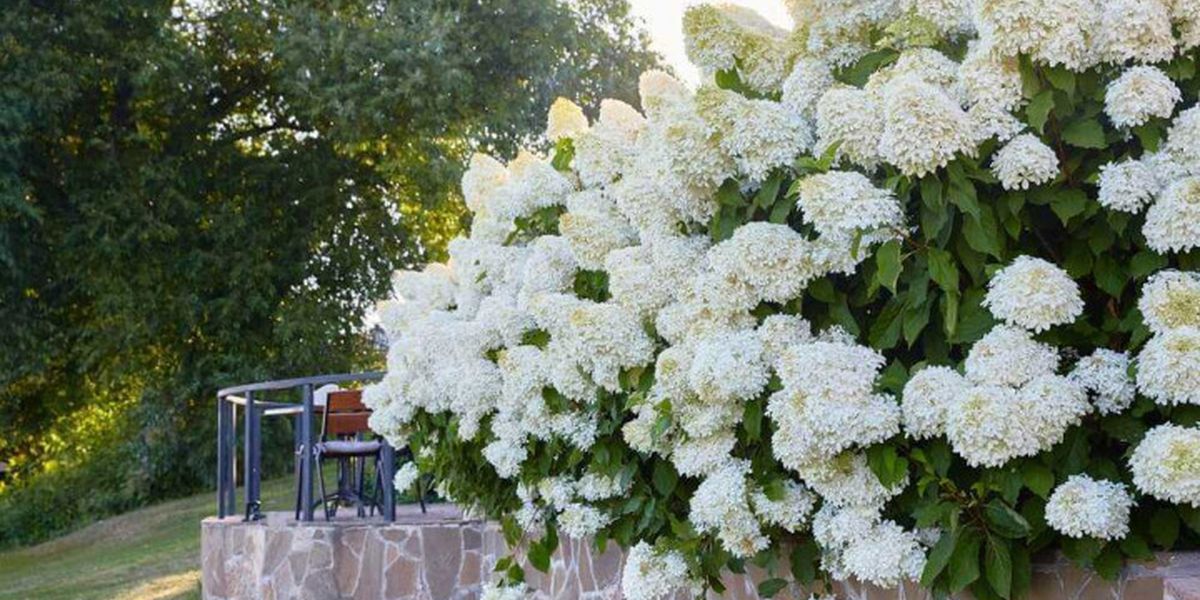
Most often grown are tree and panicle hydrangeas, which bloom by late June, and bigleaf hydrangeas, which bloom in July. All of them bloom until autumn cold. Flower colors are diverse, and some varieties are fragrant.
Hydrangea is planted in April-May. It prefers bright but not direct sunlight. Soil should be loose, well-drained, rich in organic matter, and slightly or moderately acidic.
Potentilla shrub (Kuril tea)
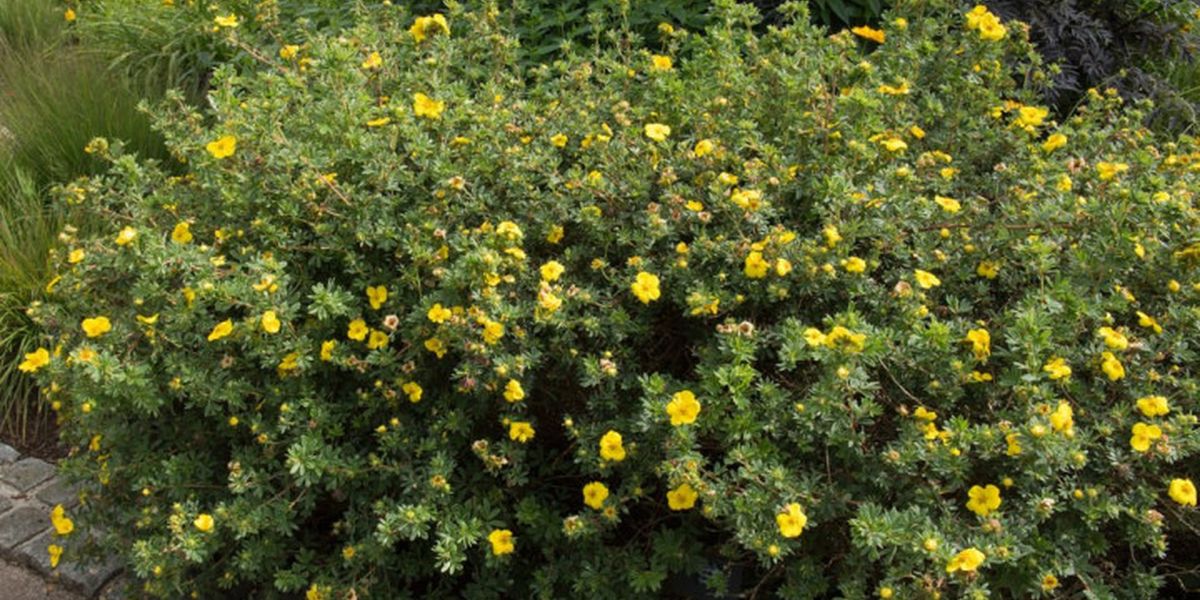
Potentilla is a strongly branching shrub with abundant flowers of yellow, white, orange, pink, or red color. It blooms profusely from June until frost. Dried leaves are used for tea, hence its second name. It grows quite quickly, up to 1.5 meters depending on variety. The bush can be spherical or spreading.
Planting is done after soil thawing. Choose a sunny or slightly shaded place with well-drained slightly acidic loose soil without stagnant water.
Summer-flowering spirea
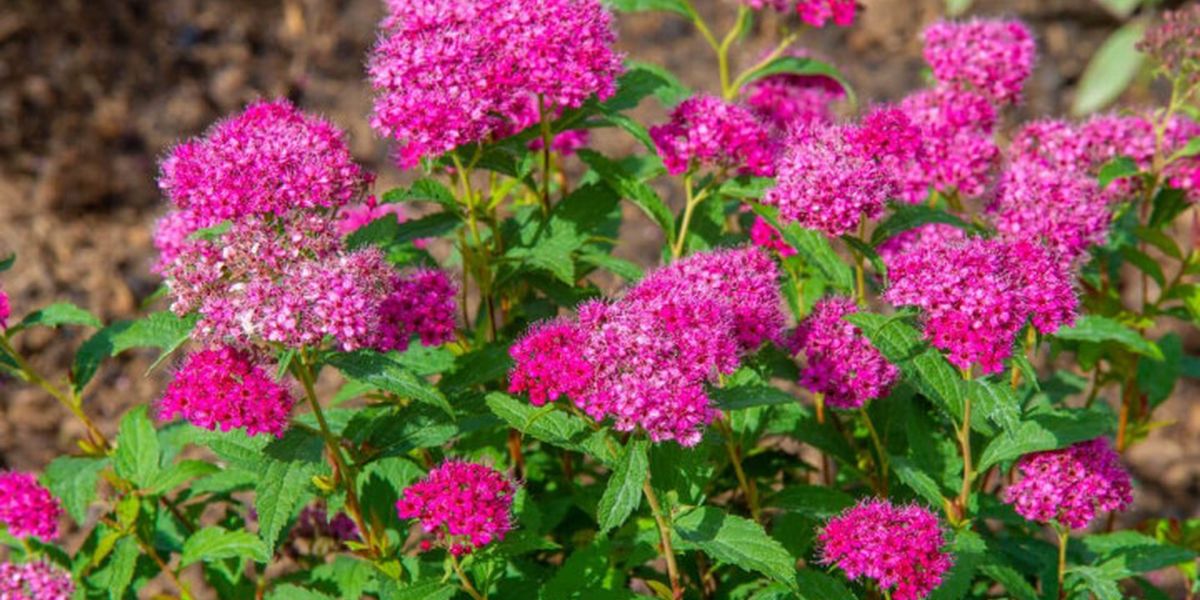
An attractive deciduous shrub with flowers in different shades collected in panicles, umbels, or corymbs. It grows quickly and is unpretentious, rarely affected by diseases or pests. It can reach up to 2.5 m in height.
Summer-flowering spireas include Japanese spirea, willow-leaved, white-flowered, Douglas, Bumalda, etc. Not all of them bloom continuously all summer. Bumalda blooms from late June to early autumn. Japanese spirea blooms from late June to early August. Flowering can be prolonged by pruning and fertilization.
Planting is done in April-May. It grows best in sunny locations with fertile, loose, neutral or slightly acidic soil.
Plant these garden plants from our selection – and enjoy beauty all summer long!
Write a comment