Spirea is rightly considered one of the most unpretentious ornamental shrubs. It tolerates harsh winters well, rarely causes trouble for garden owners, and delights with abundant flowering every year.
However, even such an undemanding plant needs care, especially during the summer months when the foundation for the shrub's decorative appearance in the next season is laid.
Features of spirea
To properly care for spirea, it is important to consider the characteristics of its life cycle. This depends on the type of shrub.
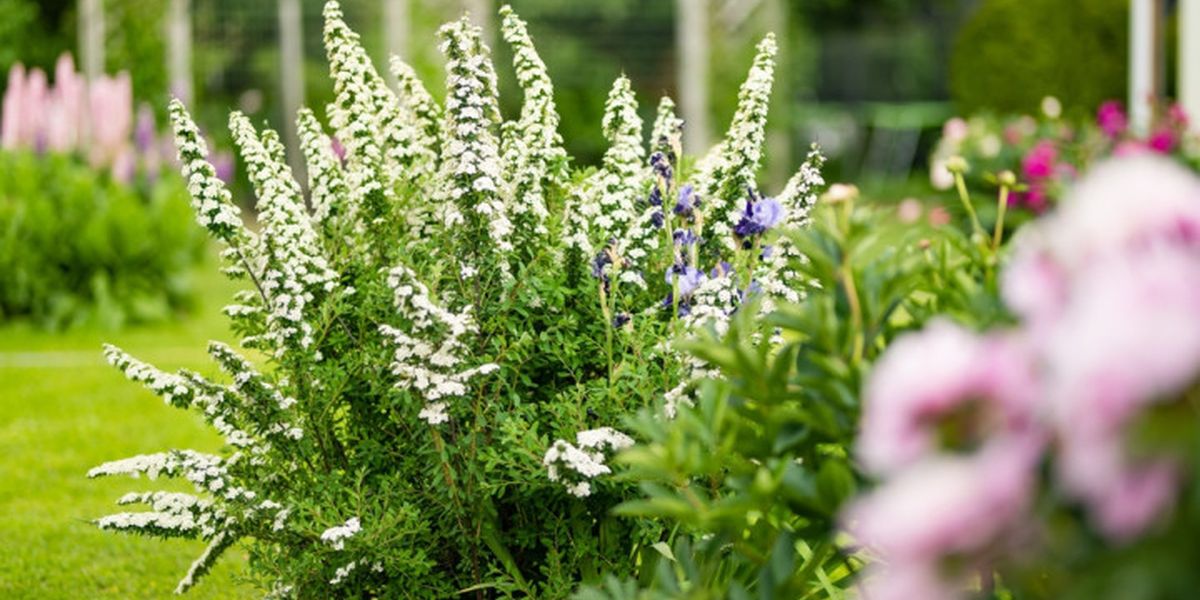
All spireas are conventionally divided into two large groups: spring-flowering and summer-flowering. Spring-flowering species bloom in late spring and early summer. Their flower buds are formed on the previous year's shoots. Flowering does not last long: two to three weeks. After that, the plants direct their energy toward the growth of young shoots and the formation of flower buds for the following year. Summer-flowering varieties (their buds form on the current year's shoots) begin blooming in late June and continue actively producing new flowers until the end of the season.
The pruning and fertilizing schedule depends on this characteristic. If the differences between the groups are not taken into account, you may accidentally remove shoots with future flower buds or miss the optimal time for shaping the shrub.
Watering and loosening the soil
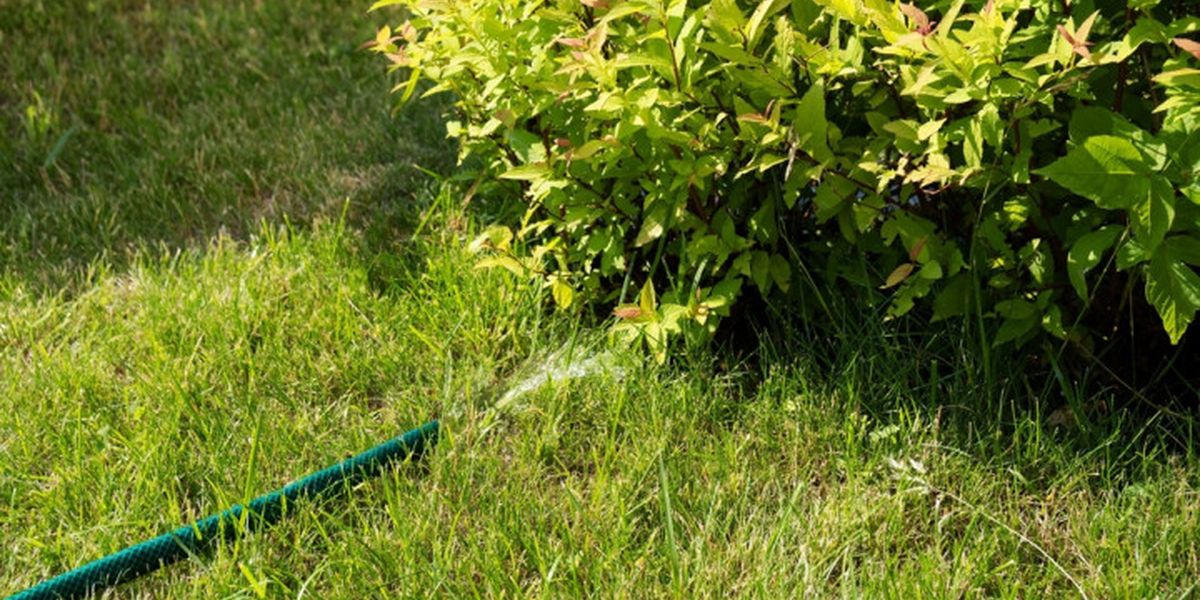
The root system of spirea is shallow and located in the upper soil layer, so dry summer months can become a serious challenge for the plant. Watering is essential during such periods. Special attention should be paid to young shrubs planted in the current spring or the previous autumn. Drying out of the soil can slow the growth of young plants and weaken them.
It is better to water spirea infrequently but abundantly. In hot weather, an adult shrub usually requires one thorough watering every 10–14 days. If hot and dry weather persists for a long time, the interval between waterings should be reduced. The amount of water for one adult shrub is approximately 10–15 liters.
It is especially important to provide the plant with moisture during the budding and active flowering periods. A lack of water at this time can lead to fewer inflorescences, smaller flowers, and a shorter flowering period.
After each heavy watering or prolonged summer rain, a dense soil crust forms on the surface. It blocks air access to the roots, causing the shrub to develop more slowly. Therefore, along with watering, another essential element of summer spirea care is regular soil loosening.
This procedure should be carried out very carefully, considering the shallow nature of the spirea root system. To avoid damaging the roots, the tool should be inserted no deeper than 5–7 cm. At the same time, weeds should be removed. Weeds not only spoil the appearance of a neat planting but also actively absorb nutrients and moisture from the soil, which are critically needed by the flowering shrub.
Mulching the spirea shrub
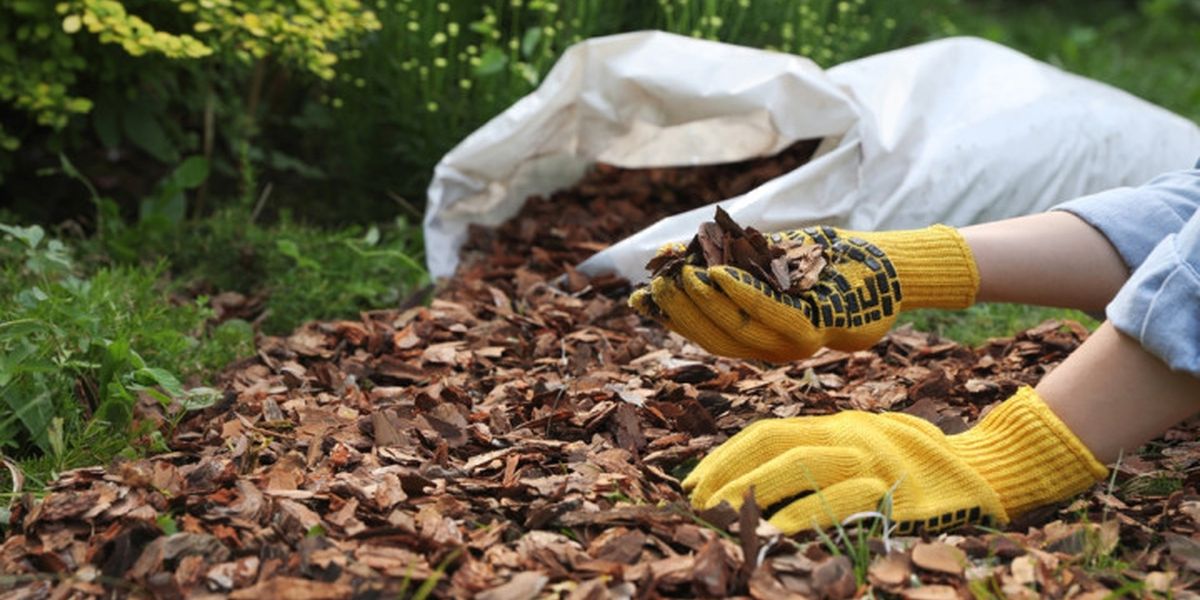
One of the most useful techniques for caring for spirea (and many other plants) is mulching. A layer of organic material reduces the number of weeds, protects the root system from overheating on hot days, and helps retain moisture in the soil, significantly reducing the need for watering. In addition, organic materials gradually decompose, improving soil structure and enriching it with nutrients.
Suitable mulching materials for spirea include shredded bark, mature compost, neutral lowland peat, and well-rotted sawdust. The material is spread around the shrub in a layer approximately 5–7 cm thick. It is important to ensure that the mulch does not come into direct contact with the base of the branches and the root collar of the shrub; otherwise, under conditions of high humidity, the bark in these areas may begin to rot. Once a month, it is recommended to lightly refresh and loosen the mulch layer to improve air exchange.
Feeding spirea in summer
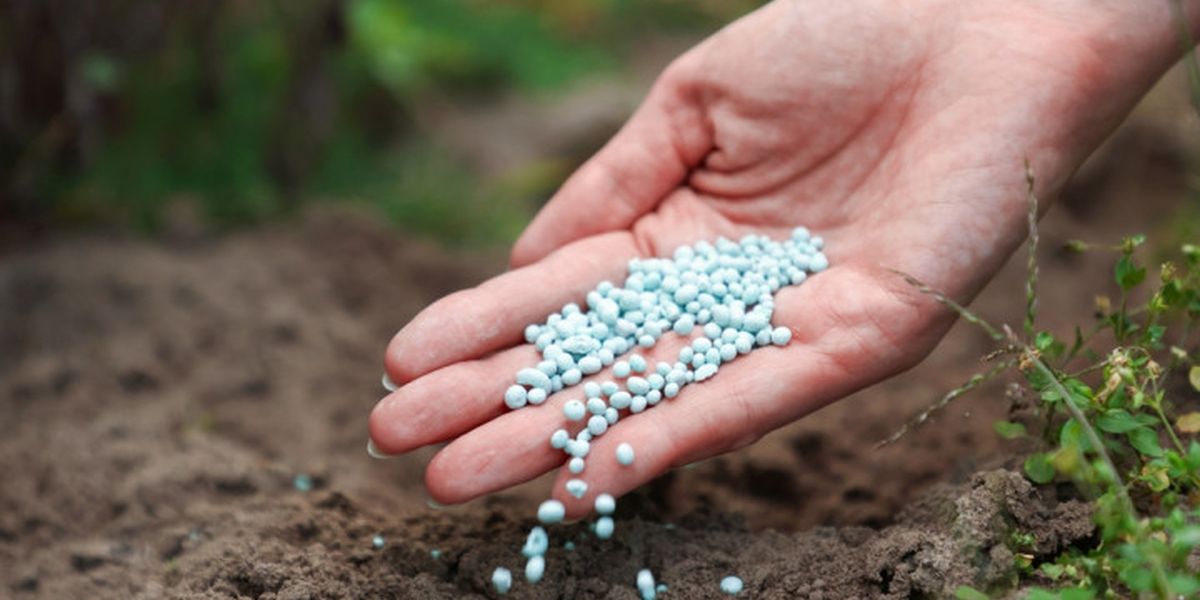
If spirea grows in fertile soil, excessive fertilization is not required; however, the shrub should not be left entirely without additional nutrition.
Spring-flowering spireas are fertilized immediately after flowering and subsequent pruning. At this time, it is important to help the plant form flower buds for the following year. For this purpose, mineral fertilizers with a high content of potassium and phosphorus are used, such as superphosphate and potassium sulfate, or special blends labeled "For Ornamental Shrubs."
You can also feed spirea with wood ash. It is incorporated into moist soil in the root zone at a rate of 150–300 g per shrub, depending on the size of the plant. From mid-August onward, any fertilizers containing even minimal amounts of nitrogen should be completely discontinued so as not to stimulate the growth of new shoots. They will not have time to mature before winter and will most likely freeze.
For summer-flowering varieties, summer feeding is carried out before flowering (usually in June), during the bud formation stage. Complex mineral fertilizers for flowering shrubs, where the proportion of nitrogen is minimal and phosphorus and potassium are at their highest, are well suited. Organic fertilizers can also be used: a mullein infusion diluted with water in a ratio of 1:10, with the addition of superphosphate (about 20 g per bucket of solution). Such a nutrient composition will ensure bright, large, and long-lasting flowering.
Summer pruning of spirea
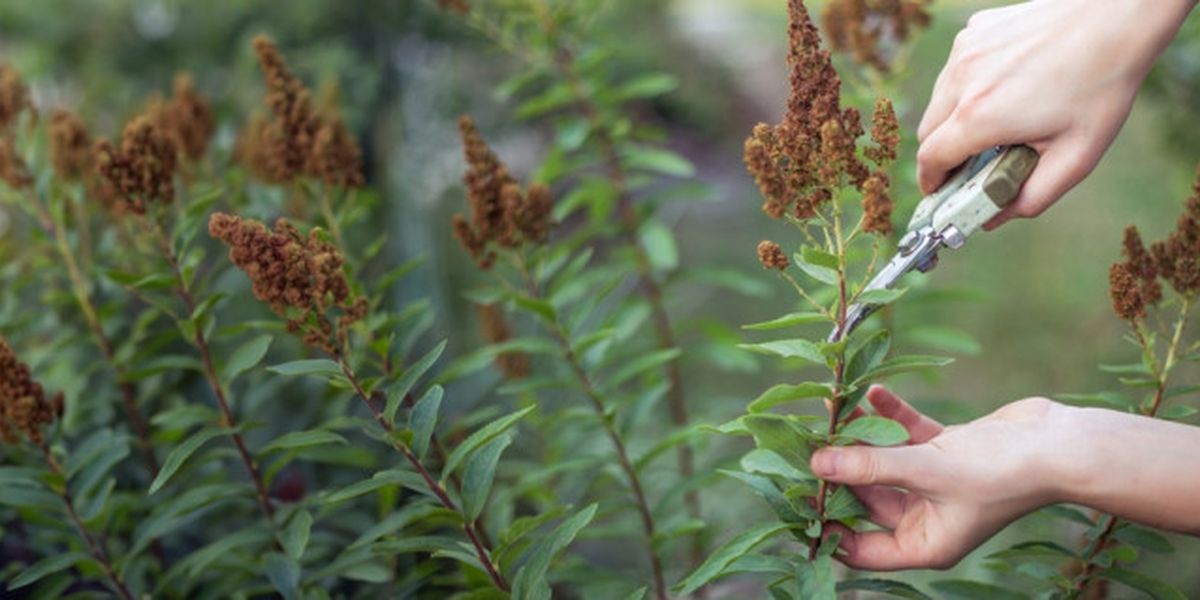
Many gardeners consider pruning exclusively a spring procedure. However, summer pruning is no less important for spirea, as the decorative appearance of the shrub largely depends on it. The timing and method of pruning are directly related to whether your spirea belongs to the spring-flowering or summer-flowering group.
The main pruning of spring-flowering spireas is carried out immediately after flowering ends, in late May or June. After winter, numerous flower buds appear at the ends of the previous year's shoots. If they are pruned in early spring, flowering will not occur, which is why the procedure is performed later.
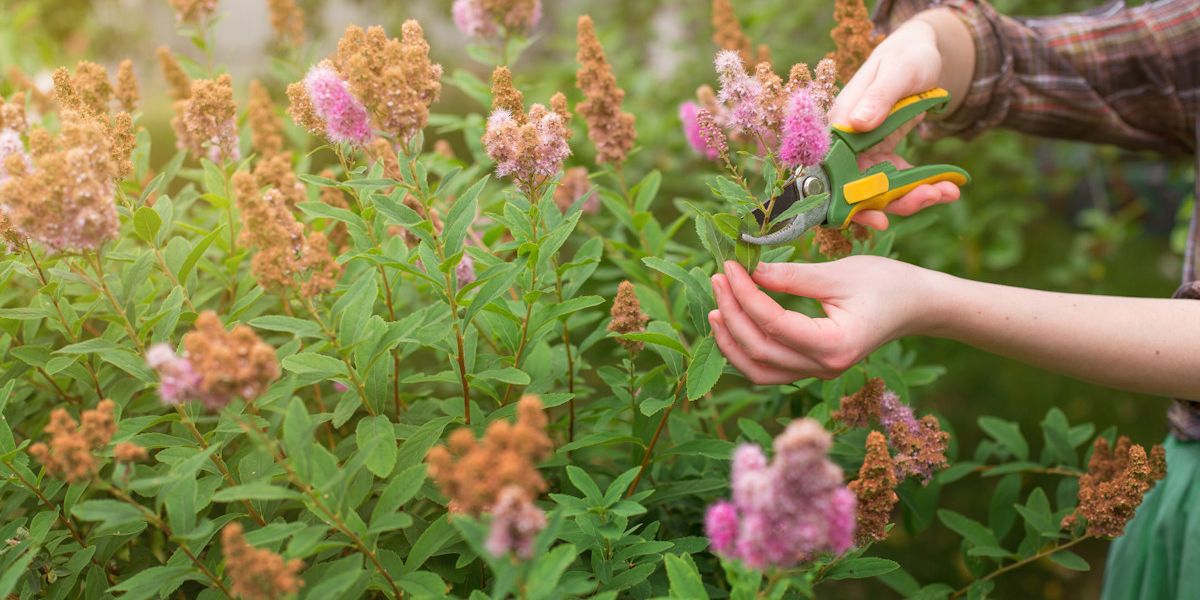
As soon as the spirea inflorescences fade and the shrub loses its decorative appearance, it is necessary to remove the spent flower clusters along with the shoot tips (down to a strong bud or side branch). This stimulates the growth of lateral branches on which flower buds for the next spring will form by the end of summer.
At the same time, sanitary pruning is carried out: weak, broken, and diseased shoots are completely removed. If necessary, the shape of the shrub is corrected by cutting out branches that thicken the crown, ensuring good ventilation and sunlight penetration. Older 5–6-year-old shoots can also be removed to rejuvenate the shrub, as they will no longer produce abundant flowering. After such pruning, the plant directs all its energy toward developing young branches that will bear flowers in the following season.
The situation is different with summer-flowering spireas. At the beginning of summer, only light sanitary pruning is performed: dried, damaged, and obviously diseased branches are removed. This improves crown ventilation and reduces the risk of disease spread.
Special attention should be given to the removal of faded inflorescences. To prolong flowering, many gardeners recommend regularly cutting off wilted flower clusters. Timely removal of spent panicles prevents the plant from wasting energy on seed production, stimulates the appearance of new buds from axillary buds, and maintains the neat appearance of the shrub.
If the shrub has grown excessively and begun to lose its tidy shape, a light corrective trimming can be carried out. The main thing is not to perform radical shortening of shoots in late summer, as this may weaken the plant before winter.
Protection from diseases and pests
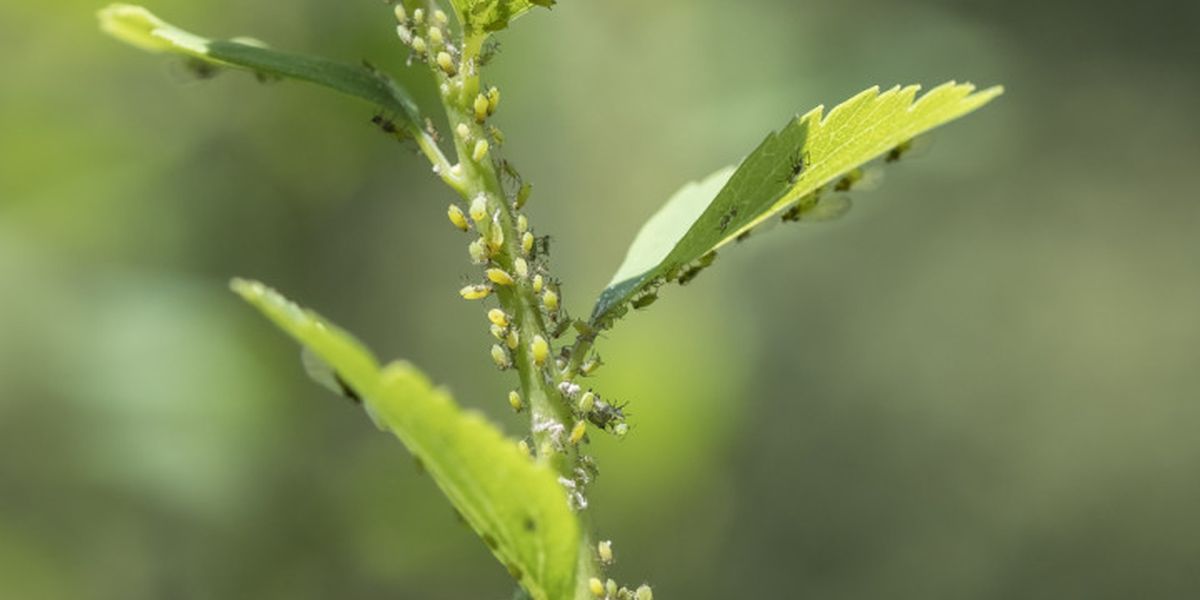
Spirea is considered a fairly resilient plant, but during excessively dry or, conversely, overly rainy summers, it may suffer from pests and diseases.
In hot and dry weather, spider mites sometimes appear on the shrubs. Their presence can be identified by fine webbing and the gradual yellowing of the leaves.
Aphids sometimes settle on young shoots. These pests suck sap from the plant, causing the leaves to curl and become deformed.
For preventive purposes, shrubs should be inspected regularly. If the number of pests is small, washing the shoots with a strong stream of water or treating them with a soap solution may help. Sprays based on Dalmatian chamomile or biological products such as Fitoverm can also be used.
If the infestation is severe, systemic preparations designed for specific pests should be applied. Spider mites can be controlled with acaricides. Aphids can be eliminated using insecticides such as Aktara, Karbotsin, and others.
Among diseases, powdery mildew and leaf spot may affect spirea during wet summers. These diseases usually develop when the shrub becomes overly dense and air circulation is poor. A characteristic white coating or brown spots appear on the leaves of affected plants, disrupting the process of photosynthesis. Proper pruning and moderate watering significantly reduce the risk of such problems.
In addition, copper-containing products or systemic fungicides (Skor, Topaz, and others) are used for prevention and treatment. Treatments should be carried out in calm weather, strictly following the dosage indicated in the product instructions. If suspicious spots, coatings, or signs of dieback appear on individual branches, the affected parts should be removed as soon as possible.
Summer care for spirea is of great importance because it is during this period that the shrub's future decorative appeal is formed. Give your spirea a little attention during the warm months, and year after year it will reward you with beautiful and abundant flowering.
Write a comment