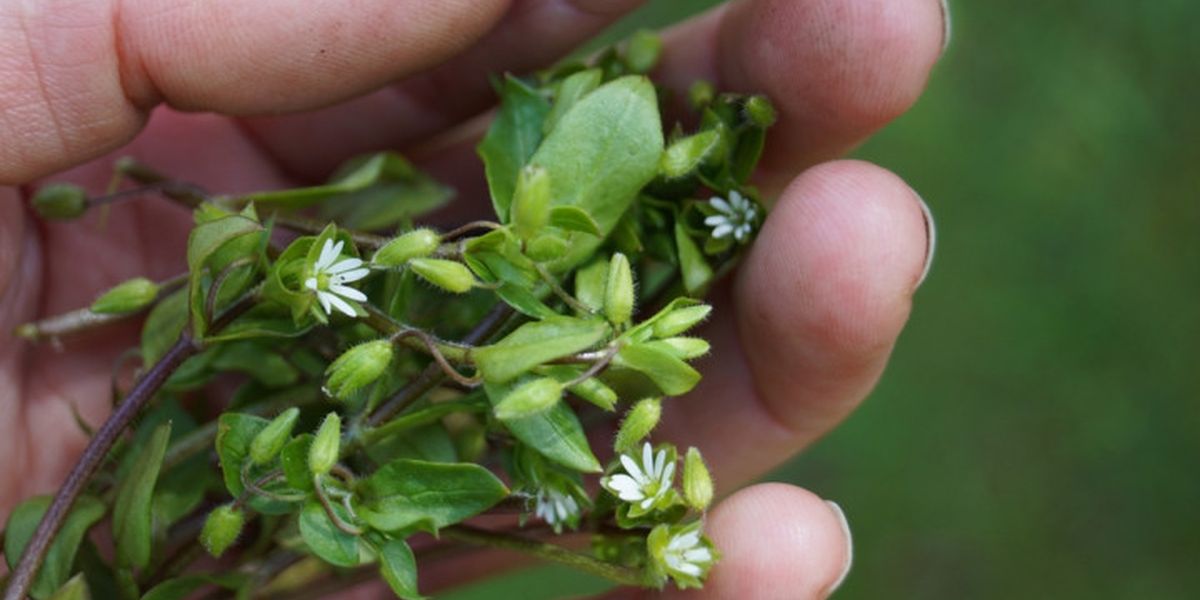
Chickweed – also known as common chickweed, «Stellaria media», starweed, or satin flower – is a small annual herbaceous plant of the Caryophyllaceae family with creeping branched hairy stems and oval-shaped leaves, familiar to almost every gardener.
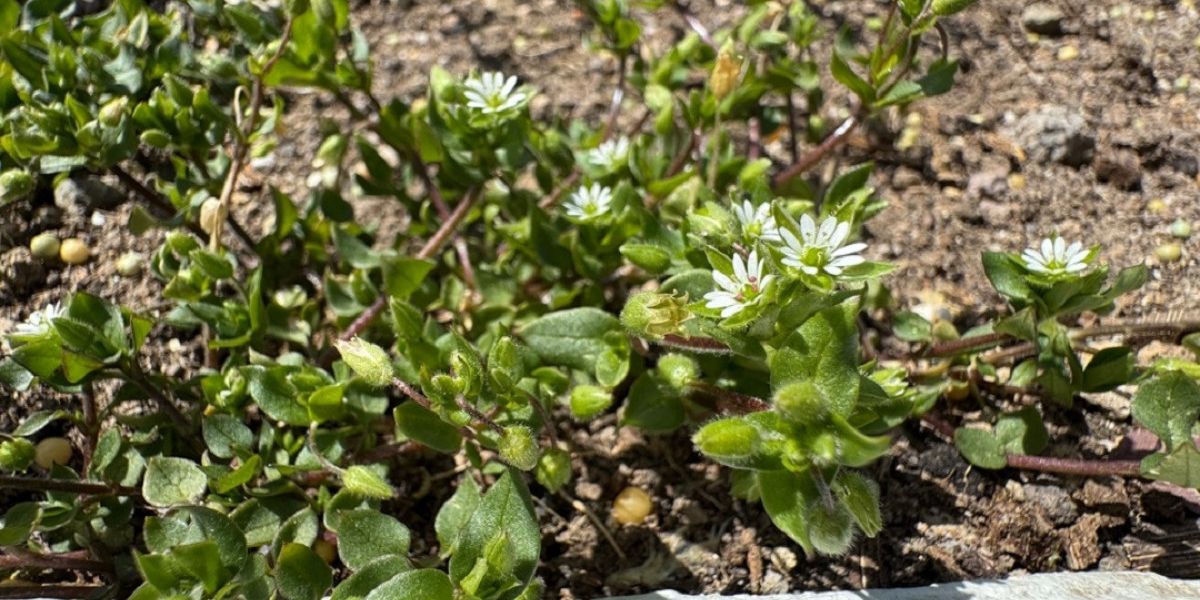
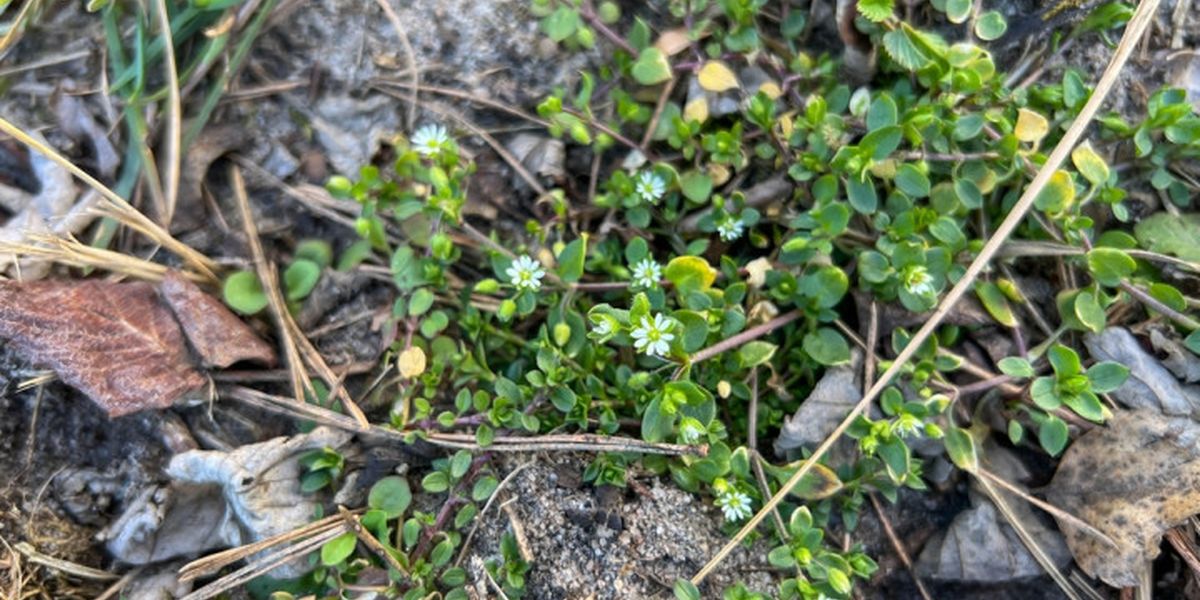
Common chickweed is widespread in our region, growing abundantly in damp forest clearings and along the banks of ponds and streams, as well as near homes and roads, in gardens and vegetable plots, where it sometimes spreads into dense carpet-like ground covers.
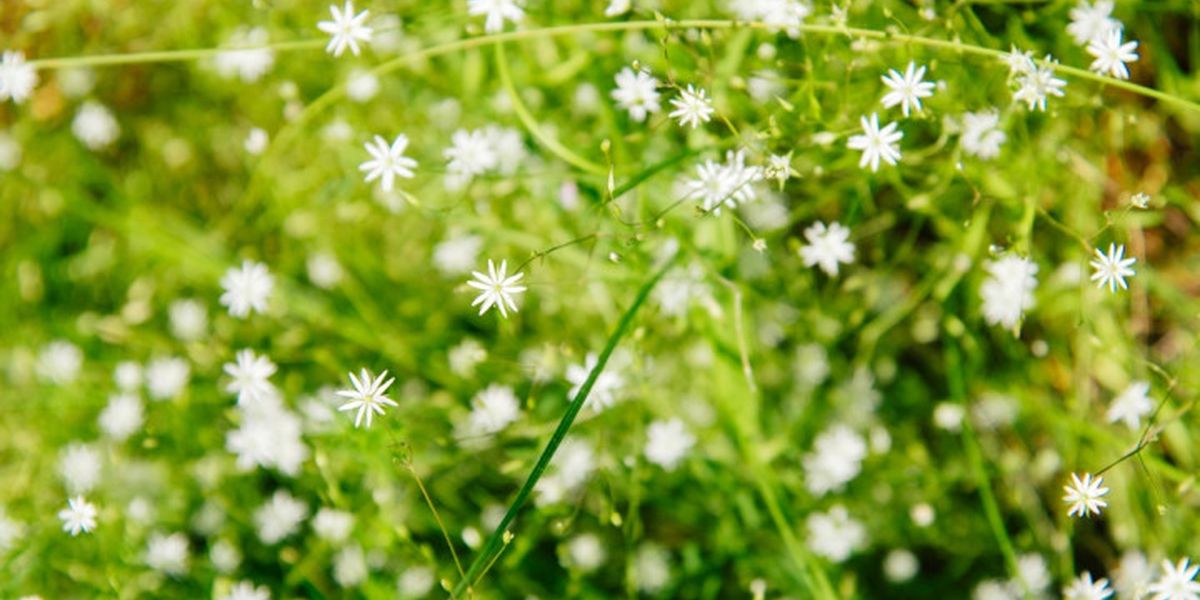
The tiny white star-shaped flowers of this hardy and shade-tolerant plant appear throughout the warm season, beginning in May, and chickweed often remains green and flowering even under the first snow. Incidentally, the plant clearly prefers slightly acidic soils, making it a useful natural indicator of soil acidity in your garden.
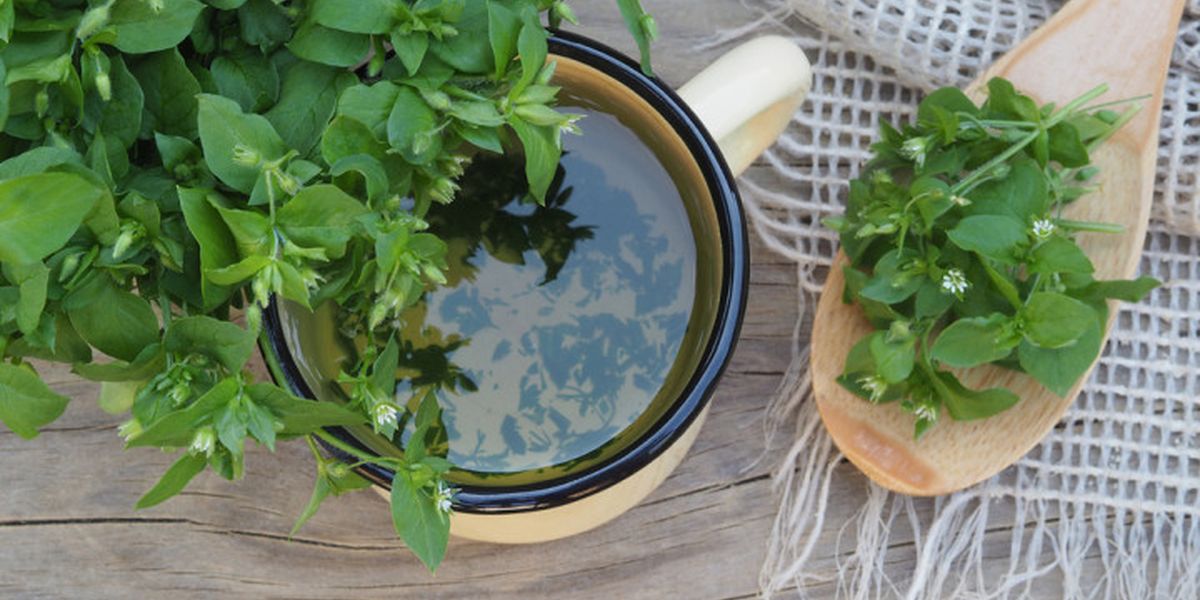
You may be surprised to learn that many gardening websites publish articles about growing common chickweed intentionally. Its above-ground green parts are rich in carotene, vitamin C, and various minerals. The fresh herb can safely be added to salads, while the cooked greens can be used instead of spinach in vinaigrettes or soups or served as a seasoning for meat and potato dishes.
Green vitamin smoothies are also prepared using chickweed combined with various fruits. Moreover, it is an excellent honey plant, and in homeopathy and traditional medicine, common chickweed is widely used as a medicinal herb valued for its pain-relieving, anti-inflammatory, mild laxative, and anti-itch properties.
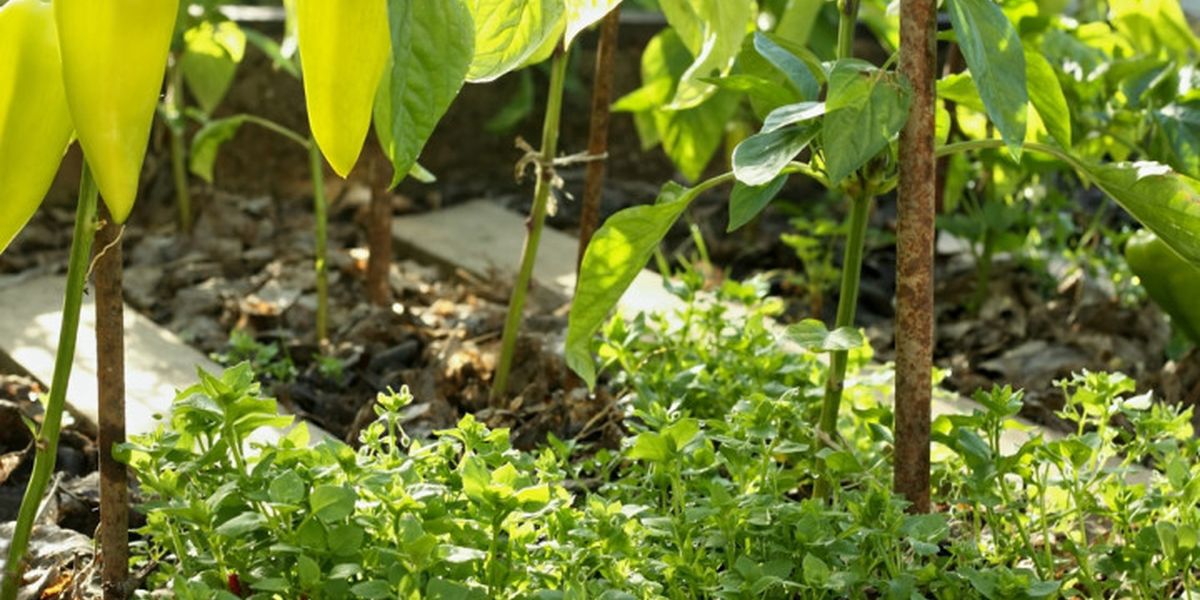
However, most gardeners know chickweed primarily as a persistent and extremely resilient weed that is especially troublesome in potato fields, well-maintained lawns, greenhouse and cold-frame beds, flower gardens, and grain crops. Preferring shaded and well-moistened areas, it can quickly overwhelm and crowd out cultivated plants, especially young seedlings. Therefore, for many gardeners, the main question is not how to use chickweed for cooking or medicinal purposes but how to remove it from the garden effectively and quickly.
But it should be said right away that chickweed is remarkably hardy and difficult to eradicate. This weed reproduces both vegetatively (from stem fragments) and by seed. During a single summer, one plant can produce several generations and up to 20,000–25,000 seeds that remain viable in the soil for more than five years under unfavorable conditions, while its creeping stems readily develop adventitious roots at the nodes, easily giving rise to new plants.
Chickweed seeds germinate readily at temperatures as low as 2–4°C, and well-developed plants can even overwinter with buds in the leaf axils under sufficient snow cover, beginning to produce seeds again almost immediately in spring. Although the plant develops especially actively in wet years, it also maintains high germination rates during dry periods—up to 40–50%.
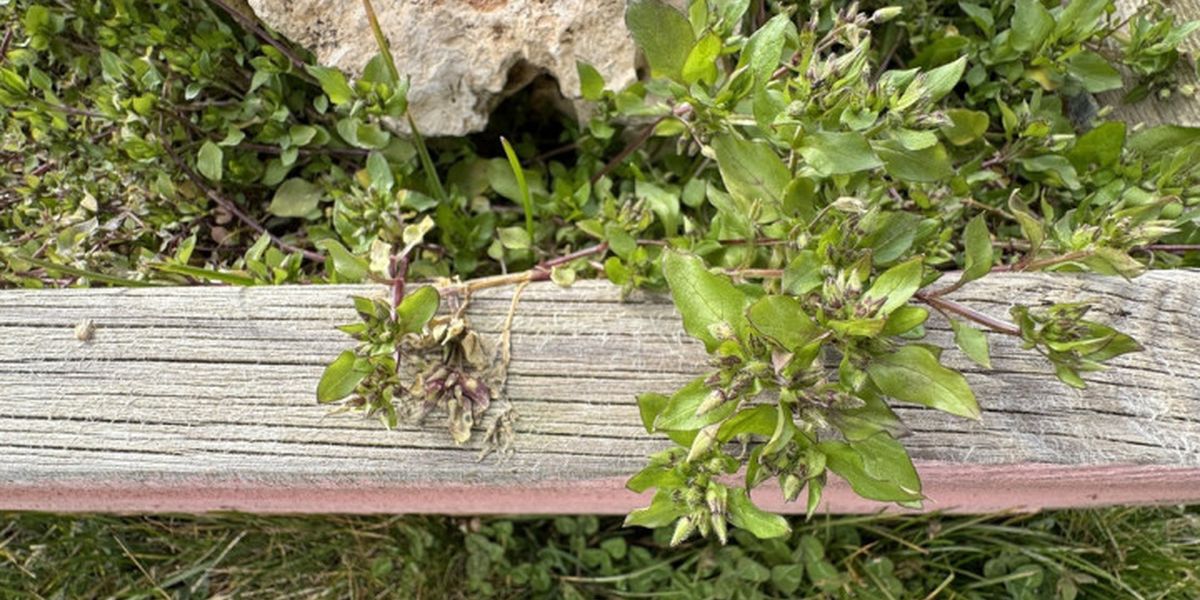
So how can you effectively control this persistent weed in your garden?
Gardeners who prefer radical solutions often recommend treating the area before planting with a non-selective herbicide or with pre-emergent herbicides. This is certainly the easiest approach, but it is worth remembering that even chemicals approved for home garden use cannot be considered completely safe for the environment.
When used regularly, these powerful products inevitably contaminate the air and groundwater, gradually degrade the soil, increase moisture deficiency, reduce yields, negatively affect soil microflora, bees and other pollinators, and contribute to the development of herbicide-resistant pests. The same can be said for many home remedies promoted online—such as concentrated vinegar, baking soda, bleach, or table salt.
So how can you eliminate chickweed from your garden without using herbicides or questionable home remedies?
Pulling out such a small plant with its tenacious stems and roots by hand is extremely inconvenient and not particularly effective. As we already know, it produces seeds throughout the entire warm season and can also reproduce from even tiny fragments of stems and roots.
Therefore, after weeding, it is advisable to lift and sift the soil with a garden fork so that even the smallest pieces of the weed are removed. Even so, reducing the chickweed population will require repeated efforts rather than a single weeding session. Mowing such a low-growing plant in lawns or garden beds is also difficult. So what should you do instead?
Let's remember what chickweed prefers. If it grows vigorously in your garden, it usually indicates relatively acidic soil, poor soil permeability and aeration, severe compaction, inadequate drainage, and consistently high moisture levels.
Therefore, if you want to get rid of chickweed in garden beds and lawns, your first priority should be improving the condition of the soil in your vegetable garden, greenhouse, and yard.
If the soil is too acidic, it should be neutralized. This is usually done by applying soil amendments such as wood ash, chalk, hydrated lime, or dolomite flour. The application rates for these liming materials depend on both soil composition and acidity levels and should always be determined individually.
The strongest liming agents are typically applied only in early spring after snowmelt or in autumn before digging because they may damage actively growing plants. Hydrated lime is one such material. Milder amendments, such as wood ash or dolomite flour, can be incorporated into the soil throughout the year.
Certain cover crops—including phacelia, white mustard, sweet clover, and alfalfa—can also gradually help reduce soil acidity. With a well-planned crop rotation system, it may even be possible to avoid using mineral amendments altogether.
If your garden beds remain constantly waterlogged, it is worth considering installing a drainage system. The problem is not only the abundance of chickweed—high groundwater levels and frequent flooding are harmful to most garden and vegetable crops.
What else can you do to combat chickweed? Do not leave beds with loose, fertile soil empty. After harvesting early crops, plant other fast-growing vegetables or sow cover crops instead to prevent chickweed from taking over.
Plantings should be weeded promptly and the soil loosened after watering to bury chickweed seeds, which rarely germinate from depths greater than 3 cm. Better yet, mulch the beds with grass clippings or straw. As for row spacing, it is beneficial not only to loosen it deeply but also to cover it with black plastic film or at least thick cardboard.
Common chickweed is a small but exceptionally persistent weed. Therefore, if you do not intend to use it for salads or homemade herbal remedies, you should prevent it from spreading throughout your garden from the very beginning of spring, before it flowers. And, of course, maintaining healthy soil and following proper gardening practices while growing cultivated plants will always be your best long-term strategy.
Write a comment