In autumn, extensive patches of moss often appear on the lawn next to the lush emerald grass. Its appearance usually indicates that something went wrong with the soil or the conditions on the site. Most often, waterlogging, lack of light, or acidic soil lead to moss growth.
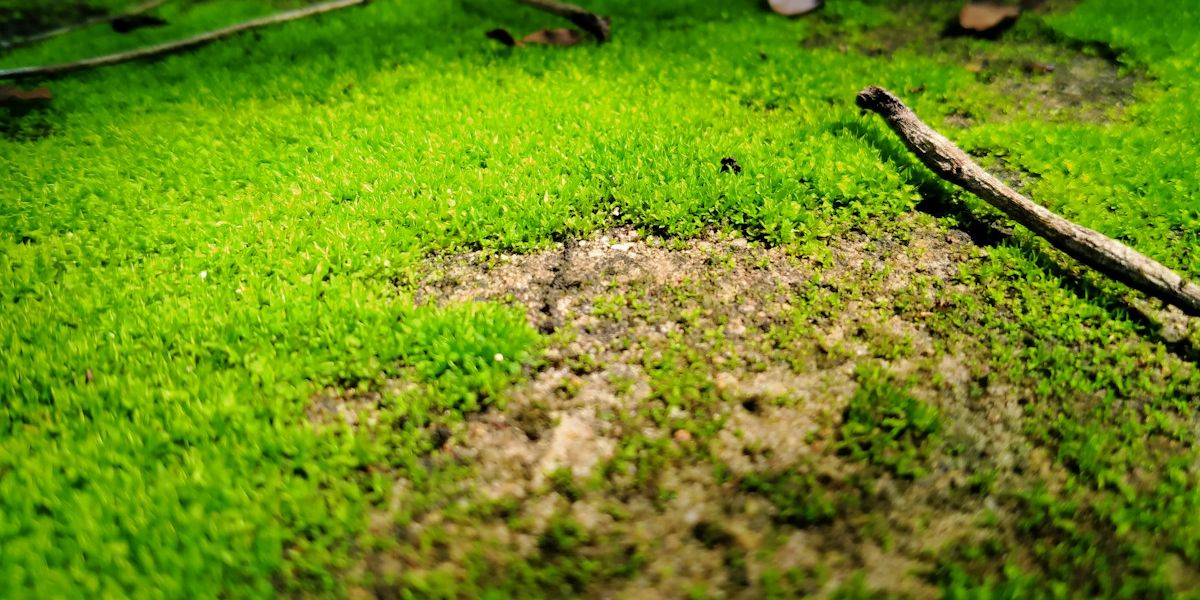
To get rid of the uninvited guest, you first need to determine the reason for its appearance. And then, depending on this, develop a strategy for combating moss and think through preventive measures.
Causes of moss appearance
If moss has occupied your lawn, it is pointless to just rake it off – in a couple of weeks it will return again. It is necessary to identify the cause that weakened the lawn grass and created a comfortable environment for the weed. The spread of moss on the site is usually caused not by one factor, but by a combination of several conditions at once.
Moss usually does not displace a healthy, dense lawn simply due to its aggressiveness. Moss spreads where it is difficult for grass to grow. Therefore, a large amount of moss is a reason to check the condition of the lawn itself.
The most common cause is constant waterlogging and stagnant moisture. This may be due to terrain features, for example, if the lawn is located in a lowland where rainwater and meltwater flow. If the water does not drain for a long time after rain, the cause is most likely soil compaction.
Frequent walking on the lawn, children's games, garden furniture, and other loads can lead to this. This happens especially quickly on heavy soils. Due to the fact that the earth stops letting air through to the roots and retains water at the surface, the roots of cultivated cereals begin to "suffocate" and rot, and the grass stand thins out. At the same time, moss, which loves moist soil, gets more free space and begins to thrive.
Increased soil acidity also contributes to the growth of moss. Most lawn grasses prefer neutral or slightly acidic soil. If the pH level drops below 6.0-6.5 units, the grass loses the ability to absorb nutrients from the soil, even if you regularly apply fertilizers, and weakens. Moss loves an acidic environment – under such conditions it develops at high speed, displacing cultivated cereals from the territory.
Excessive shading is another common cause of moss on the lawn. Grass needs enough light for photosynthesis and growth, while moss is less demanding on lighting. If the lawn is laid out under the dense crowns of old trees, on the north side of the house, or along a blank high fence, the grass there will always be faded and sparse – while moss feels great even in the shade, forming continuous carpets there.
Too low mowing can also lead to weakening of the grass and the appearance of moss on the lawn. If you cut the grass too short, the leaf area is insufficient, the photosynthesis process decreases, the roots become smaller, and the grass recovers worse. And when the lawn as a whole weakens, moss gets a chance to take the place of cultivated cereals. For this reason, mowing the lawn too short in autumn is especially risky, because the grass needs a sufficient leaf apparatus to store energy for the winter.
The lack of nutrients also plays a role in the appearance of moss on the lawn. If during the summer the lawn did not receive enough nitrogen, and by autumn it was left without potassium and phosphorus, the grass grows sparse, bald spots appear on the surface, and moss easily occupies them.
Mechanical cleaning of the lawn
When the causes are clear, you can start saving the lawn. This process usually consists of two steps: first you need to remove the already grown moss, then change the conditions that led to its appearance.
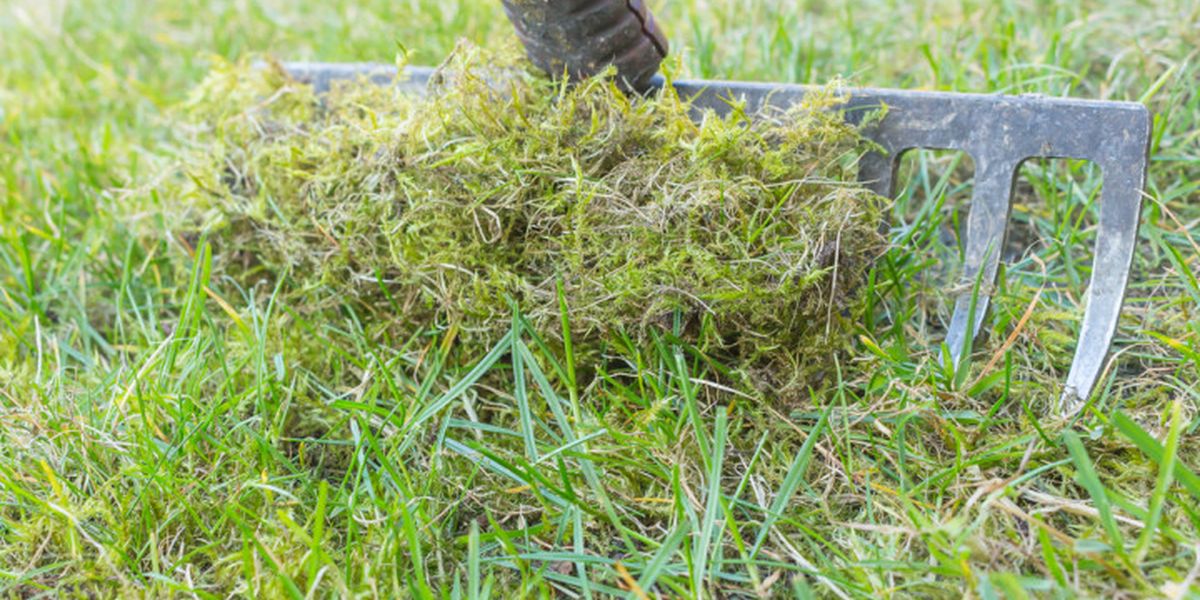
Autumn is a good time to comb out moss. Take a fan rake and walk over the lawn with effort, raking out the moss along with the accumulated layer of thatch.
The main task of combing is not only to remove moss, but also to destroy the thatch, a layer of dead grass, roots and organic residues. This layer prevents water, oxygen, and nutrients from penetrating to the grass roots and at the same time creates an ideal basis for moss. It is advisable to carry out this procedure in dry weather so as not to pull out the weakened roots of the surviving grass along with the moss. All collected mass must be removed from the lawn and disposed of.
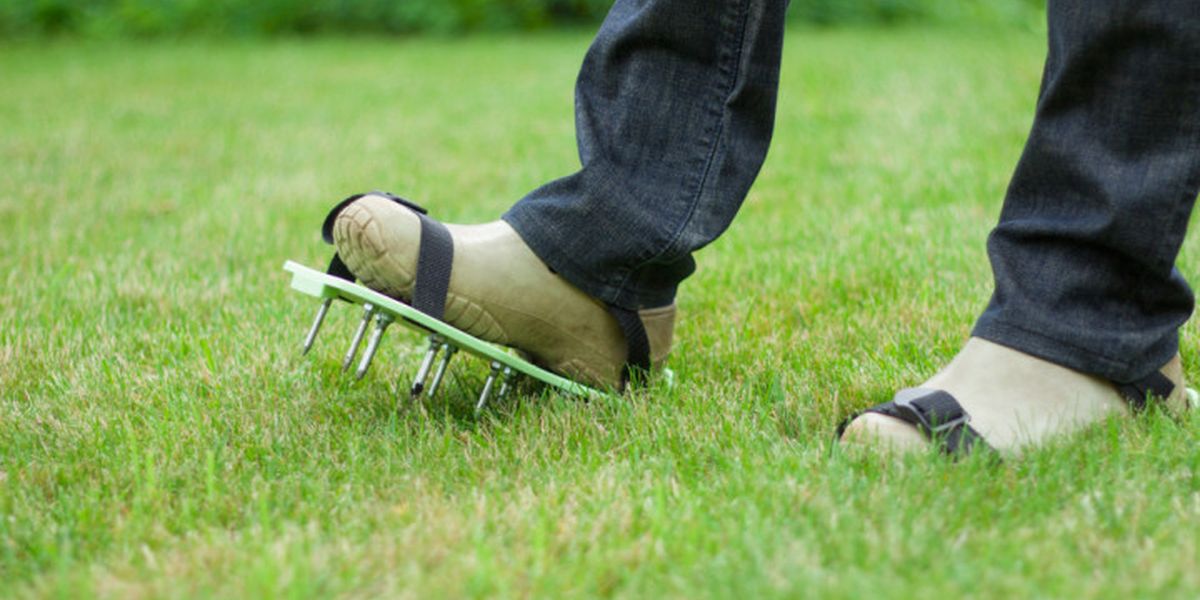
After the surface is cleaned, it is necessary to open access of oxygen to the root system of the grass. This process is called aeration. The earth compacts over the summer, and it needs to be "loosened". On small lawns, for aeration, you can use ordinary garden pitchforks or sandals with spikes. They pierce the turf to a depth of 10-15 cm every 15-20 cm. For large areas, it is better to use an electric aerator with hollow tines that remove small columns of earth. Aeration destroys the dense crust, allows the roots to breathe, and allows excess autumn moisture to go deep.
If after the procedures the water still stands on the surface of the earth for a long time after each heavy rain, more serious steps will be required. It is necessary to think over a drainage system or at least carry out lawn sanding. To do this, after aeration, coarse-grained washed sand is scattered over the lawn surface in a layer of about 1 cm and brushed into the holes made. This significantly improves the structure of heavy soil and accelerates the outflow of surface water.
Prevention of moss on the lawn
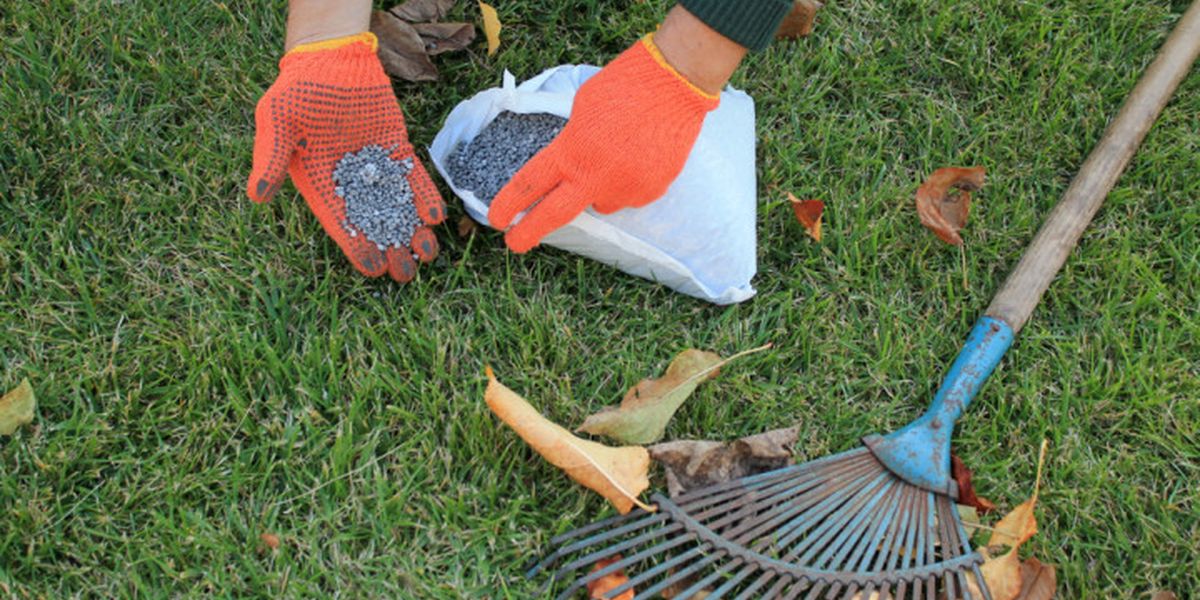
If the analysis showed that the soil on the site is acidic, liming of the lawn is carried out after aeration. Autumn is the ideal time for this procedure, because before the spring awakening of the grass, the components will have time to completely dissolve and react with the soil. To reduce acidity, use dolomite flour, slaked lime (fluff) or chalk. The agent is evenly scattered over the lawn surface at the rate of about 300-500 g per sq.m, depending on the initial acidity level. Rains will gradually wash the powder deep, stabilizing the pH values.
After removing the moss, bald spots often remain on the lawn. It is advisable to restore them in autumn, soon after cleaning the lawn, while the temperature suitable for seed germination remains. The soil in damaged areas is loosened, if necessary, suitable soil is added and grass is overseeded.
For shaded areas, it is better to choose a mixture intended specifically for such conditions. If you sow ordinary light-loving grass where there is almost no sun, the lawn will quickly weaken again.
At the same time, it is necessary to remove fallen leaves and other plant residues. A thick wet layer on the surface worsens the lighting and ventilation of the lawn and creates additional conditions for moss growth.
Top dressing plays an important role in the fight against moss, because thick healthy grass is the best prevention against moss. In autumn, for feeding the lawn, choose fertilizers with a moderate nitrogen content and a high potassium content. They help the grass accumulate energy before winter, stimulate the development of the root system and increase frost resistance.
The mowing height also needs to be adjusted. In autumn, do not cut the lawn too short – leave a height of 5-6 cm. A large leaf area helps the grass photosynthesize, maintain root viability, and at the same time shade the soil surface, suppressing the spread of moss.
The problem of excessive shading of the lawn also needs to be solved. It is not necessary to cut down trees – it is enough to carry out their sanitary and rejuvenating pruning in autumn. Thinning the crown and removing heavy lower branches will allow sunlight to penetrate the ground unhindered, which will contribute to grass growth.
In those zones where shade cannot be eliminated (for example, near blank walls of buildings), instead of a universal lawn, specialized mixtures of shade-tolerant grasses should be overseeded in spring.
Chemical agents against moss
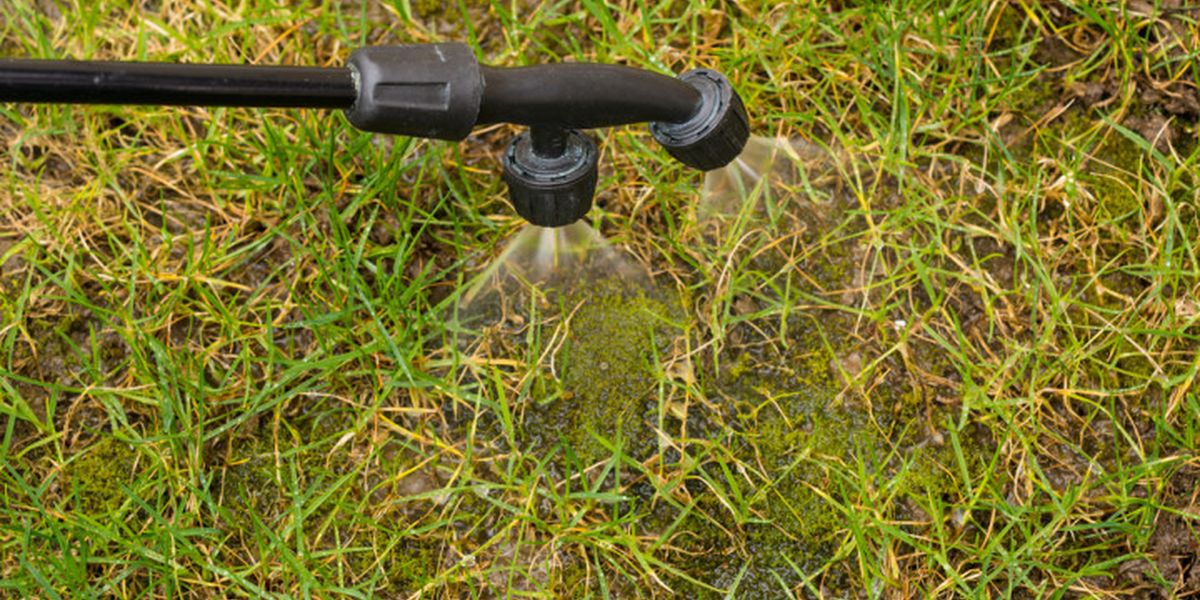
There are specialized agents for destroying moss. They can be used against moss before combing. The most common are preparations based on iron vitriol (iron sulfate): after spraying, the moss turns black and dies within a few days, then it is combed out with a rake. To prepare a working solution, 500 g of iron sulfate is dissolved in 10 liters of water. If the moss islands are small, you can use a softer option – a 2% solution (200 g per 10 l).
The resulting solution is abundantly sprayed on the affected areas of the lawn from a garden sprayer. The procedure is carried out on a dry, windless day, it is desirable that according to the weather forecast there is no rain in the next 24 hours. After a few days, the moss will darken and die, after which it will be much easier to comb it out with a rake.
However, remember that no chemical agent solves the problem of moss appearance forever. By destroying existing moss, you do not change the conditions on the lawn. If the soil there is still always wet, acidic, and the grass is sparse, moss will return very soon. Using a moss agent as an auxiliary step before combing is reasonable; considering it as a long-term solution is a guaranteed disappointment.
The appearance of moss on the lawn is usually associated with sparse grass cover, lack of nutrients, high acidity and humidity of the soil, and its shading. If all these factors are brought back to normal, the grass will become strong again and the moss will gradually retreat on its own.
Write a comment