Spring plant feeding is one of the most important procedures in the garden and vegetable garden. Any crops (whether ornamental, fruit, berry, etc.) need enough strength and health in order to «wake up» in time after winter, start full sap flow, release leaves and buds, prepare for flowering…
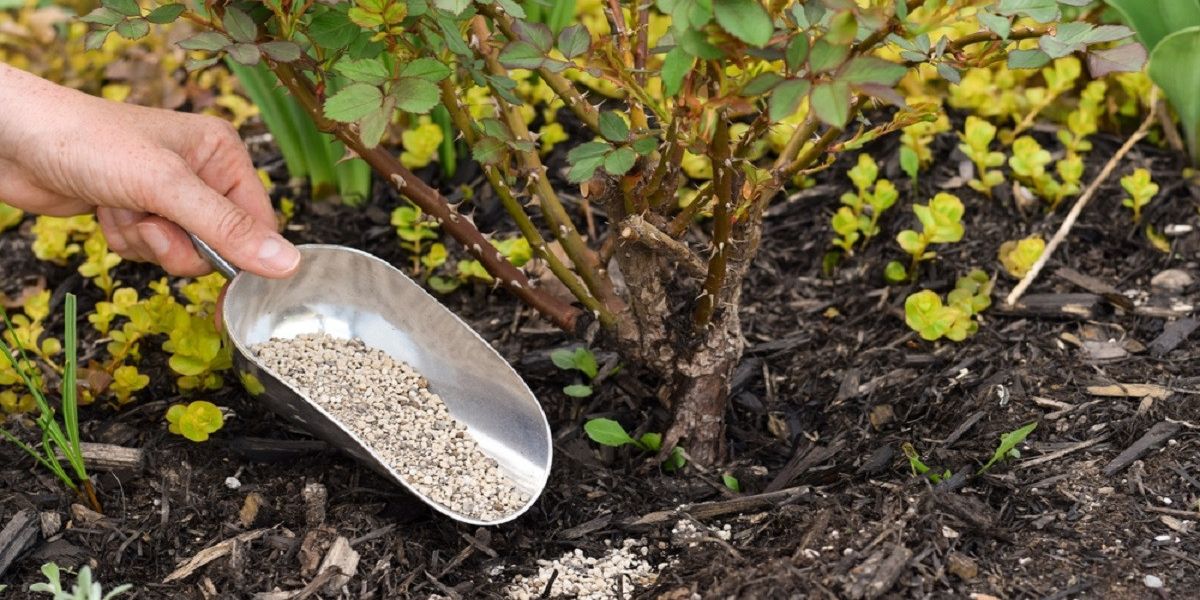
It is precisely aimed at restoring soil fertility and giving plants strength that spring fertilization is directed. At the beginning of the season, preference is primarily given to complexes containing a lot of nitrogen, which helps crops actively build vegetative mass. But other elements in the composition of fertilizers are also necessary – potassium and phosphorus restore and strengthen the root system, increase plant resistance to adverse weather conditions and diseases, participate in metabolism, ensure flowering and fruiting.
We are analyzing together the most frequently used and popular “spring” fertilizers for the garden, organic and mineral, dividing them for convenience into groups according to the main active substance.
Nitrogen fertilizers
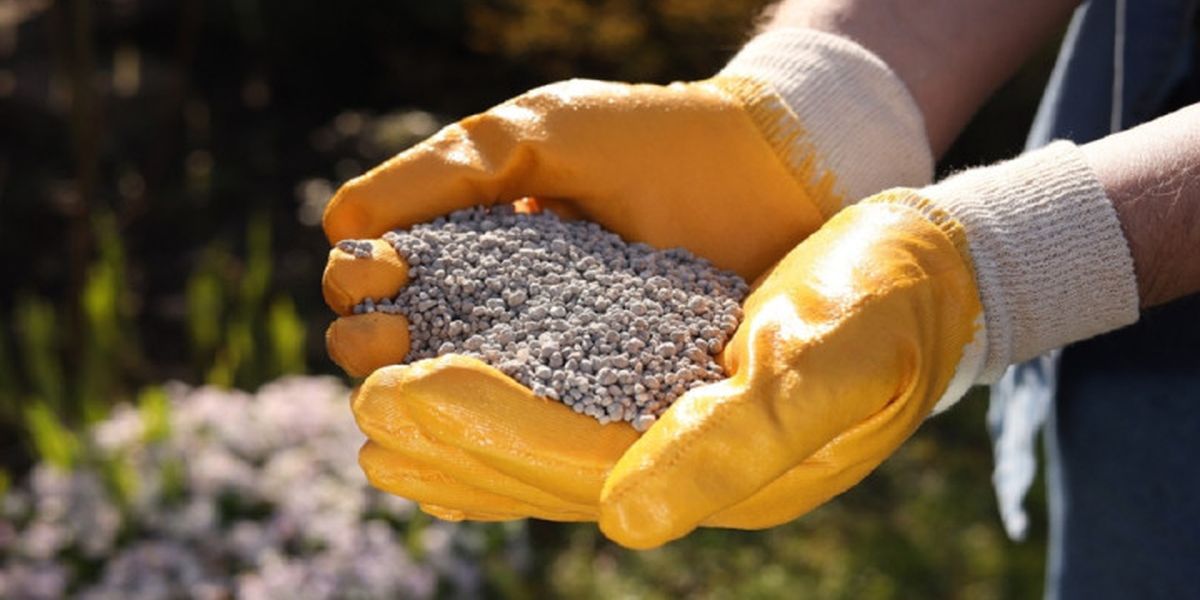
These feedings can be applied both in spring and summer. But in autumn it is not recommended to feed plants with nitrogen, because it contributes to active growth of green mass.
Nitrogen fertilizers must be incorporated into the soil, and not scattered on its surface: otherwise air and sunlight significantly reduce the concentration of nitrogen.
It is important not to overdo nitrogen fertilization, especially when applied to soil where berry and fruit crops grow that are consumed as food – excess nitrogen accumulates in fruits in the form of nitrates, which cause significant harm to the body. In any case, fertilization with such fertilizers is necessarily stopped at least two weeks before harvest.
Of garden plants, the most sensitive to nitrogen are such crops as apple and currant.
Good, I am rewriting the first block the same way – without “table form”, in normal text:
Nitrogen fertilization in the garden is most often carried out in early spring to give plants a start for active growth. For example, urea (carbamide with about 46% nitrogen content) is applied about 2–3 weeks before flowering. For root feeding, doses depend on the crop: under apple and pear usually 150–250 g, under gooseberry, currant, raspberry and grape – 50–70 g each, and under apricot, plum and cherry – 70–140 g. It can also be used for foliar feeding: dissolve 20–30 g in 10 l of water and spray the crowns 5–6 days after flowering.
Ammonium nitrate (26–34% nitrogen and up to 14% sulfur) is applied already after flowering – about 5–6 days later, and then repeated again after a month. Usually 15–50 g per plant are taken depending on its size and soil condition, обязательно combining application with abundant watering.
Ammonium sulfate (about 20.5% nitrogen) is applied at the beginning of vegetation at a rate of 25–30 g per square meter. At the same time, it is important to remember that it cannot be mixed with lime, ash, chalk or dolomite flour, so as not to reduce fertilizer efficiency.
Nitrogen fertilizers also conditionally include sodium and calcium nitrates, where nitrogen content is about 15%. They are also most often used for spring sowing and feeding. The advantage of calcium nitrate is its ability to improve the quality of acidic soils with regular use.
Phosphorus fertilizers
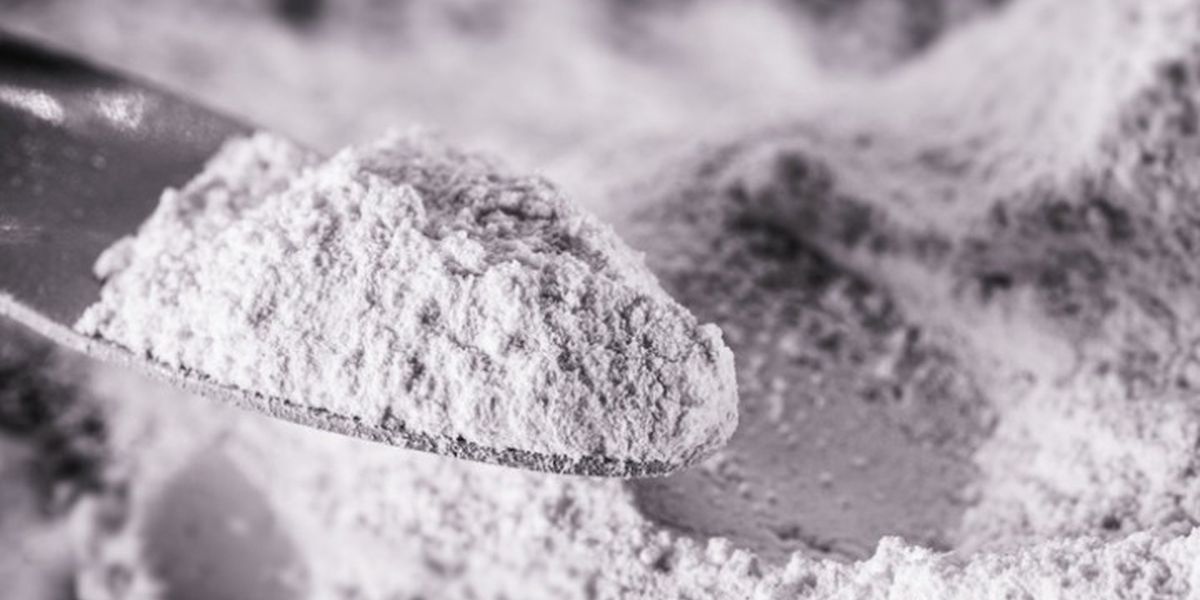
Phosphorus feeding is applied as needed throughout the season, including spring. Simple superphosphate (26% phosphorus and about 6% nitrogen) is used both for main soil digging and for planting – it is added to holes or furrows. It is also suitable for summer feeding. Usually 400–600 g is added to a planting hole, 40–70 g during digging, and about 40–60 g in spring after flowering.
Double superphosphate contains more phosphorus (up to 46%) and about 9% nitrogen, therefore it is used similarly, but in smaller amounts – about twice less than simple superphosphate.
Phosphate rock (19–30% phosphorus) is most often applied in spring during planting at a rate of 100–300 g. It is better absorbed when finely ground and is especially effective in combination with acidic fertilizers, for example manure.
Potassium fertilizers
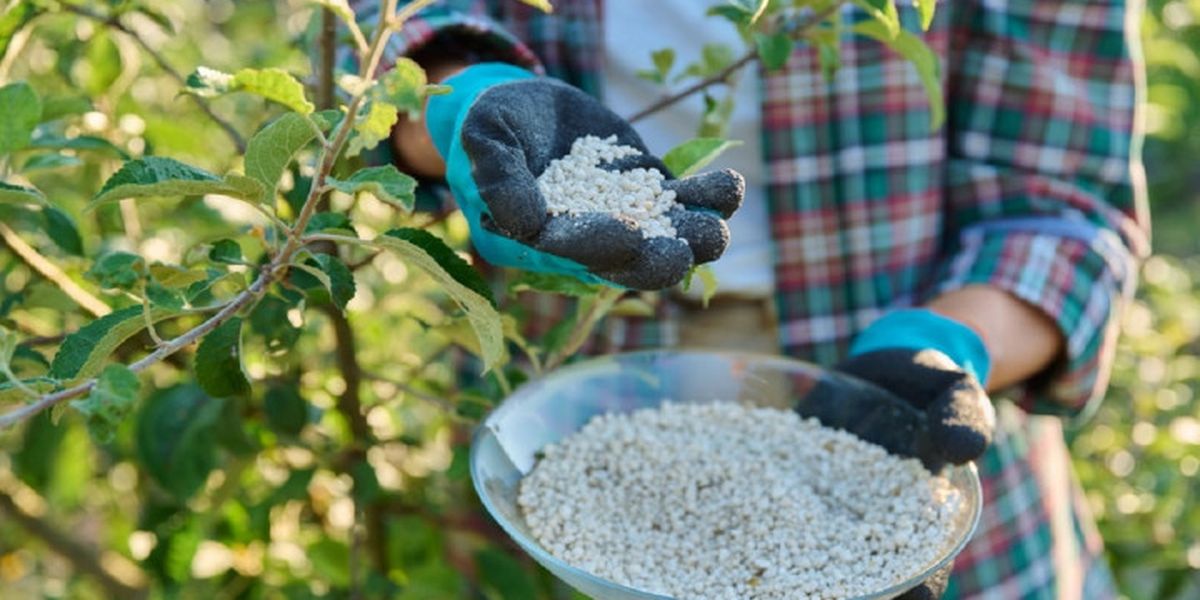
Potassium fertilizers dissolve well in water and are most often applied in early spring or autumn. They are important for crop formation, increasing plant resistance and fruit quality. For example, potassium sulfate (about 53% potassium and 18% sulfur) is used both in dry form and in solutions. It is applied in planting holes at 100–200 g or used during vegetation at 15–20 g. For foliar feeding, a solution is prepared (35–40 g per 10 l of water) and plants are sprayed.
Potassium chloride contains 52–62% potassium, but also up to 40% chlorine, therefore it is not suitable for all crops. It is usually applied in early spring during planting under crops that tolerate chlorine well. Fruit trees receive 100–150 g during planting and about 30 g during vegetation, and berry bushes – 50–70 g during planting and 15–30 g later.
Potassium nitrate combines potassium (45–46%) and nitrogen (13–14%), therefore it is especially useful in spring when plants build green mass and prepare for flowering. Fruit trees are usually given about 25 g, berry bushes – about 20 g. It is also used for spraying: 20 g per 10 l of water.
Kalimagnesia (26–32% potassium and 11–18% magnesium) is used as a main spring feeding, especially on soils with magnesium deficiency. It is applied at about 10–40 g per square meter.
Be careful with the use of chlorine fertilizers – there are crops that are very sensitive to this element and may react negatively to chlorine-containing feeding: growth slows down, which ultimately leads to reduced yield and worse fruit taste. Among garden plants this is primarily grape and berry bushes (raspberry, currant).
Complex fertilizers
Complex fertilizers contain several macro and/or microelements at once (mainly the three main ones – nitrogen, phosphorus, potassium – plus additives), therefore using complexes is much more convenient and easier, there is no need to calculate the required dose of each element. The timing and rates of their application depend on the composition.
Azofoska (nitroammophoska) contains on average 16% nitrogen, 16% phosphorus and 16% potassium, but other NPK formulas also exist, for example 19:9:19, 22:11:11, etc. This is a universal complex fertilizer used as a main one – during soil digging, as a local one – when planting into holes, and also for feeding during vegetation. Fruit trees receive about 85–125 g per tree during planting, during growth – 50–70 g. For berry bushes doses are lower: about 50 g per plant during planting, and 40–60 g during vegetation.
Ammophoska (ammonium phosphoric) contains 11–12% nitrogen and 40–50% phosphorus. It is used mainly in spring, usually under digging, at a rate of 50–100 g per square meter, depending on plant size and condition.
Diammonphoska is a more concentrated complex fertilizer with increased nutrient content. It is applied in spring before sowing or planting, as well as during vegetation. Rates depend on the crop: apple, pear and quince – about 30 g per 1 sq.m; gooseberry, currant and raspberry – 10–20 g; grape – about 25 g; apricot, plum, cherry plum and cherry – about 20 g.
Nitrophoska contains 8–16% nitrogen, 1.7–7% phosphorus and 5.8–19.9% potassium. Depending on production method, sulfuric, sulfate and phosphorite forms are distinguished. It is used as a main and pre-sowing fertilizer. Fruit trees receive 60–80 g per tree during planting, during vegetation – 50–70 g. Berry bushes – 40–50 g during planting and 40–60 g during growth.
Ash contains different amounts of nutrients depending on the burned material: from 1 to 35% potassium, 4–40% calcium and 1–9% phosphorus. It can be used throughout the whole vegetation period for all crops at a rate of 100–200 g per square meteridentically per square meter.
As for «store-bought» fertilizers for garden plants, you can easily find them from almost any major fertilizer manufacturers. When purchasing, pay attention that the mixtures are labeled «for berry and fruit crops» (or more specifically, for example «for apple/pear/plum»), and also contain a note like «spring», «spring type», etc. Such fertilizers are used according to the instructions on the packaging.
Write a comment