When buying seeds for the new gardening season, do not forget about their "place of residence" in the first weeks after germination – simply put, about containers for seedlings, which will soon fill the tables, shelves and windowsills of enthusiastic gardeners.
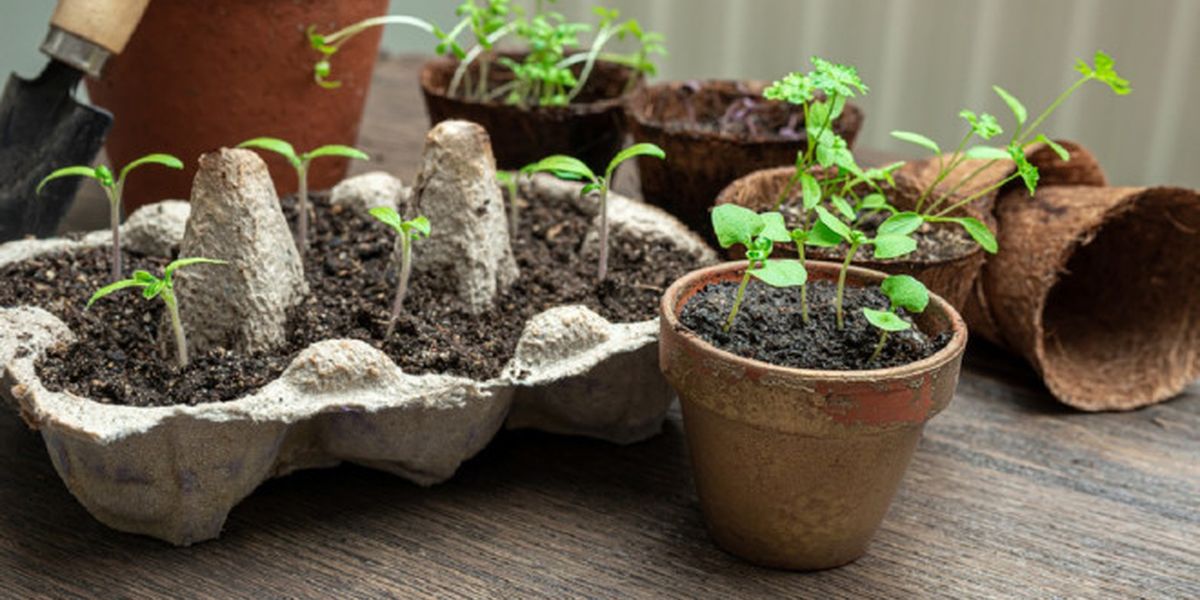
Option 1. Seedling boxes
A seedling box is a low (up to 10 cm), but quite wide container in which many seeds are sown at once. Such boxes are usually made of plastic (PVC, polystyrene, etc.) and can be of absolutely any size and shape, and sometimes even equipped with a transparent lid, tray, heating mat. Such advanced designs, although much more expensive than "ordinary" ones, allow you to use the boxes literally as mini-greenhouses, where you can maintain a certain level of humidity and temperature, which makes such a container suitable for growing seedlings of the most capricious and delicate types and varieties of plants, as well as for rooting cuttings.
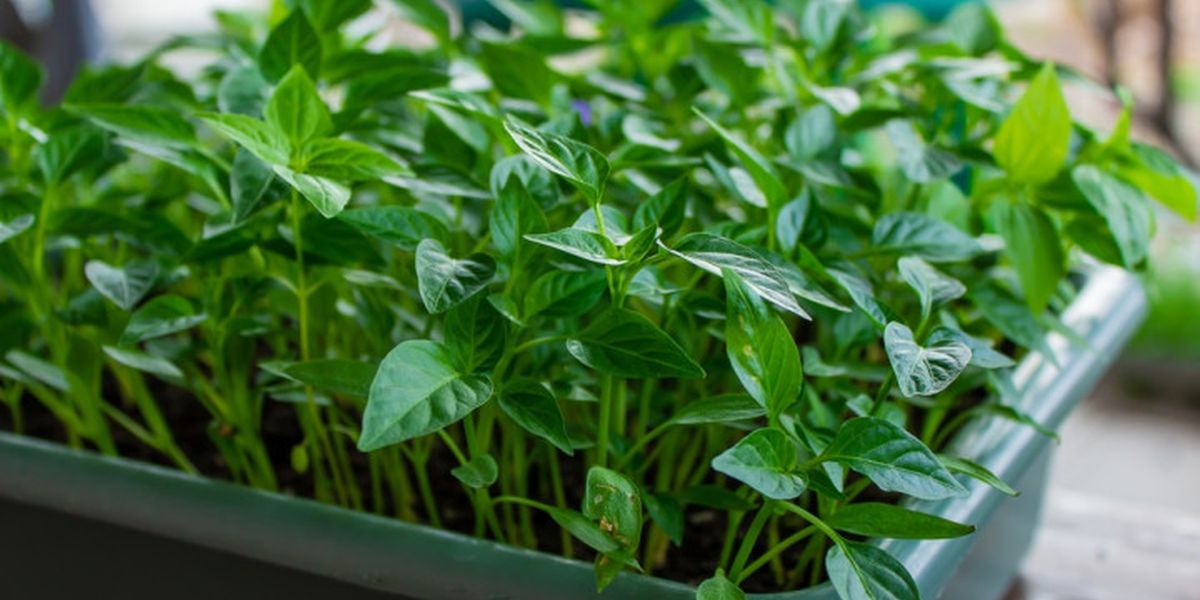
If the box is "ordinary", it is important to understand that such containers are only a temporary "refuge" for plants. At a certain stage, the seedlings will first need to be thinned out, and then still transplanted into separate containers (otherwise their roots will grow too much and it will be difficult to remove the plants without damaging them), which takes time.
Pros: you can choose a container of any size and shape to conveniently place on shelves, windowsills, etc., they hold many seeds, in the advanced version "turns" into a mini-greenhouse.
Cons: plants will still need to be transplanted into separate containers later, not suitable for crops that do not tolerate transplanting well (eggplants, peppers, cucumbers), not quite budget-friendly cost of the "advanced" version.
Option 2. Plastic pots
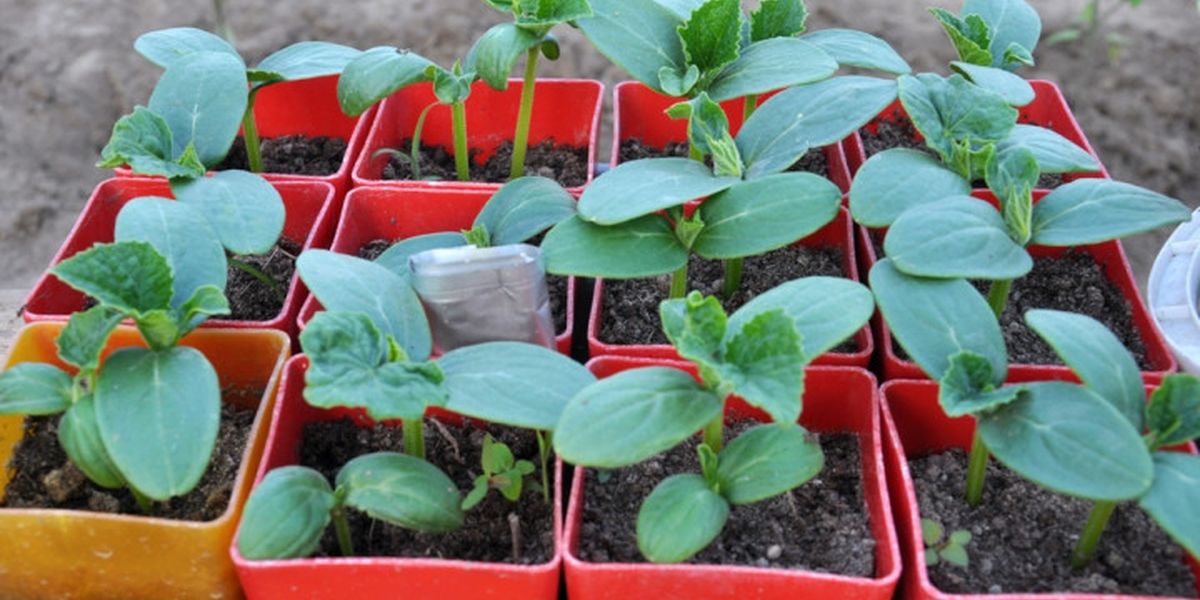
Plastic pots are sold absolutely everywhere, from specialized garden centers and flower shops to ordinary stores, so finding them will not be difficult. The size of these containers can be very different – from 50 ml to 1 l or more, so it is easy to choose an option for seedlings of various sizes and ages, that is, for all crops without exception. In plastic containers, the soil does not dry out as quickly as in peat pots and tablets (see below).
Note that round pots take up a lot of space on the windowsill. Square containers are more compact. But if the pots are made of durable plastic, it is more difficult to remove plants from them during transplanting.
Pros: affordable price, suitable for any crops, durable, reliably protect plant roots, can be used repeatedly.
Cons: take up a lot of space (especially round ones), when carelessly removed, plant roots can be damaged.
Option 3. Seedling trays
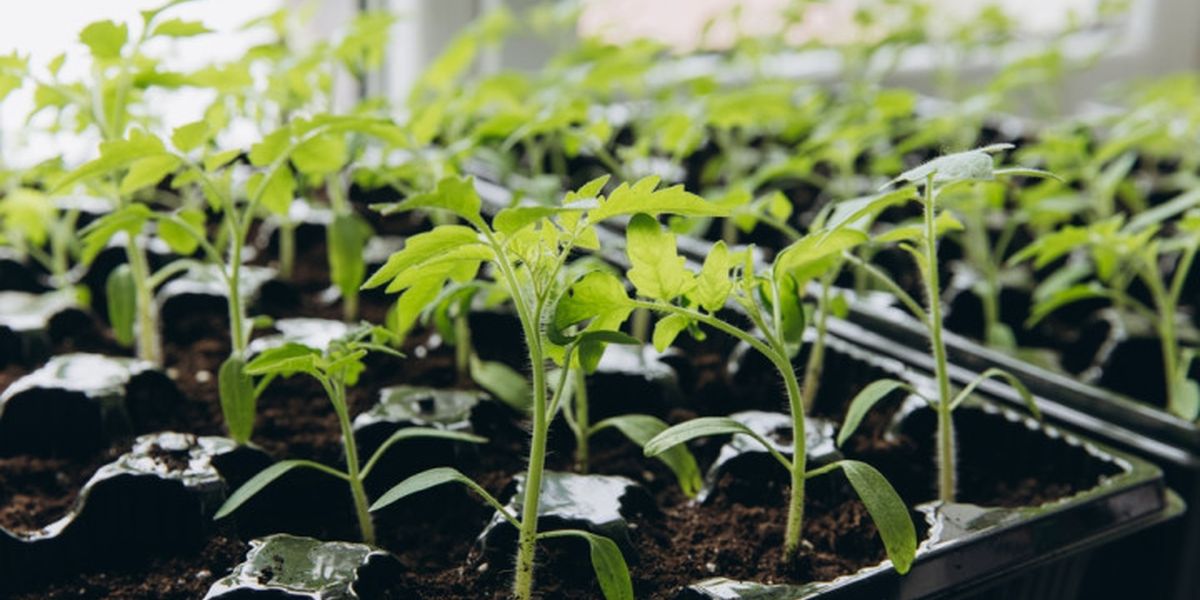
Trays, or multiplates, are special constructions with cells where a large number of seedlings can be grown at the same time. Plants are easily removed from the cells together with the soil clump and transferred by the transshipment method into individual pots or directly into the garden bed. But the smaller the volume of the cell, the faster the seedlings need to be transplanted.
The most convenient are collapsible trays with rectangular cells with a diameter of 4.5-6 cm and a side height of 7-10 cm. Seedlings in such containers can grow right up to planting in a permanent place.
Pros: light, compact and relatively inexpensive; convenient for mass sowing and compact placement, with careful handling will last several years; each cell has holes for draining excess water; bottom watering can be used.
Cons: due to their small size, the soil in them dries out quickly; the walls of most trays are very thin, one awkward movement – and they immediately crumple and break. Due to the limited volume of the cell, seedlings may suffer from a lack of nutrients.
Option 4. Peat pots
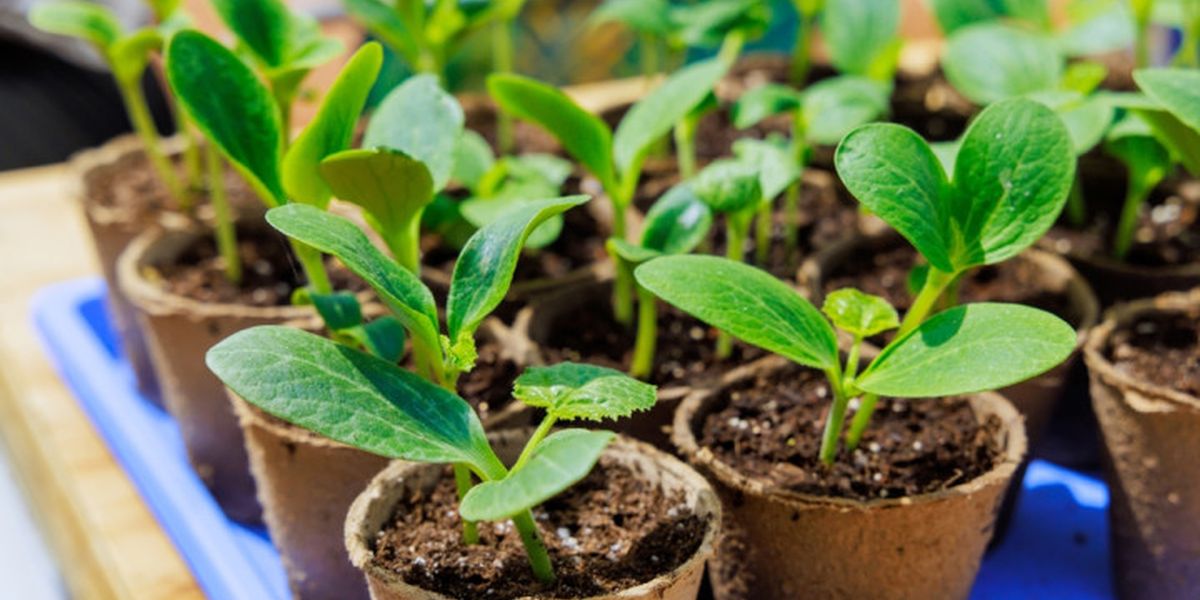
Seedling pots can be not only plastic, but also "peat" (peat-humus) – the material looks like loose cardboard, but actually consists of 70-80% real peat and 20-30% paper. These pots can be individual or connected in trays.
The porous walls of such containers allow moisture and air to pass through well, so seedlings feel quite comfortable (provided you take proper care of them). Planting seedlings in the ground will also be easy: you dig a hole of the required size, place the pot with the plant in it, cover with soil and water. Over time, the containers rot and become fertilizer.
Such pots are suitable for growing seedlings of cucumbers, watermelons and melons, as well as crops that do not tolerate transplanting well (for example, peppers and eggplants).
Pros: affordable price; almost 100% survival rate of seedlings, since roots are not injured during planting; made from environmentally friendly materials.
Cons: disposable option, by the time of planting seedlings lose their original appearance; when the soil dries out, it separates from the walls and becomes very hard; with excessive watering, the walls become covered with mold.
Option 5. Peat tablets
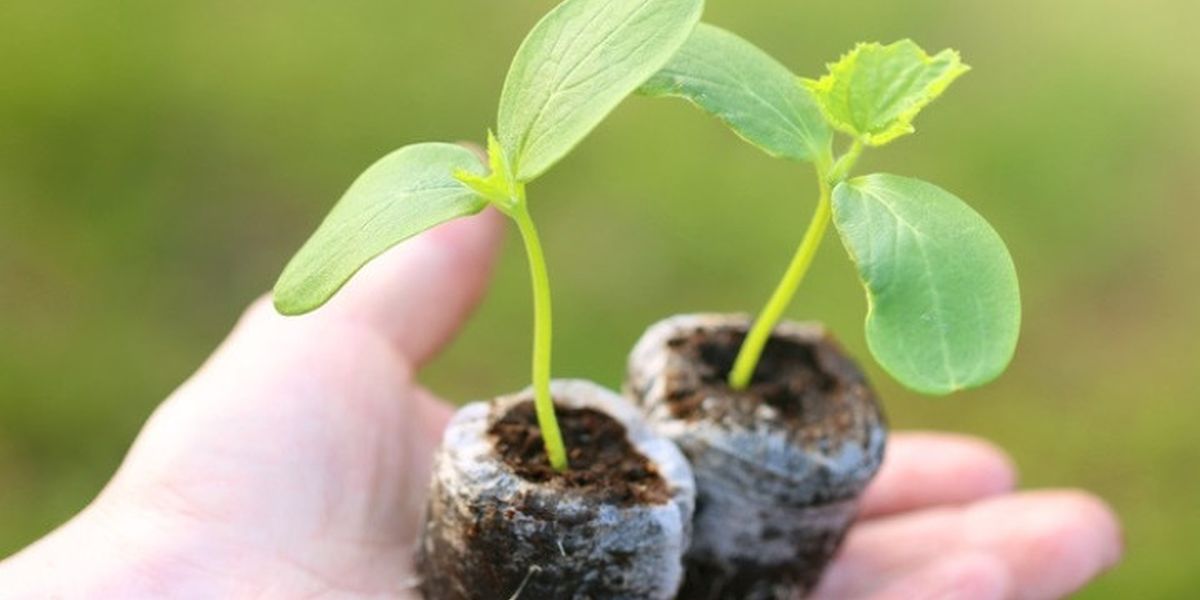
Peat tablets are made from pressed high-moor peat or from a mixture of different types of peat with added nutrients. Often conscientious manufacturers include additional "bonuses" in their peat tablets – fungicides, growth stimulants and/or additives that reduce stress during transplanting and planting in open ground. On the outside, peat tablets are wrapped in a special non-woven material that prevents them from crumbling during transportation and seedling cultivation.
In such "containers" you can grow seedlings of any vegetable and flower crops, as well as root leaf and stem cuttings. They are excellent for plants with very delicate sprouts (petunia, lobelia, etc.), as well as for crops that do not tolerate transplanting well (eschscholzia, cucurbits, etc.) or are difficult to root.
Before sowing seeds, the tablet is soaked in water, and planting or transplanting is done directly with the tablet.
Pros: great variability of sizes (suitable for seeds of any caliber), plants do not need any additional fertilization until they are transplanted into a larger container or into the ground, almost 100% survival rate of seedlings, since roots are not injured during planting.
Cons: disposable option, expensive, rapid drying of soil. The non-woven material (tablet shell) sometimes interferes with root development.
Option 6. Seedling bags
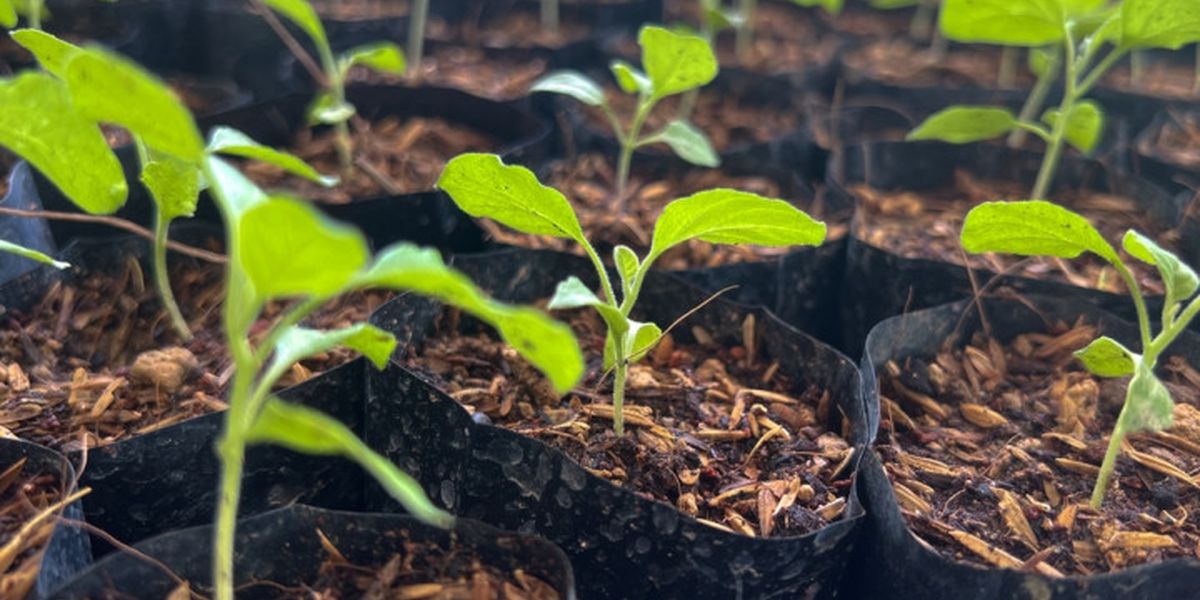
"Professional" seedling bags are usually made of dense (65-100 microns) black high-pressure polyethylene (HDPE), which reliably protects roots from ultraviolet rays.
Such containers can be of different volumes, often already have ready-made drainage holes in the walls. They do not take up much space (neither in use nor in storage), are light, flexible enough to "fit" them in a row of the same, they are convenient not only to transport but also to plant seedlings (to carefully remove plants, the container is simply cut on the side). And, importantly, such bags are reusable and cost very little.
Option 7. Homemade containers
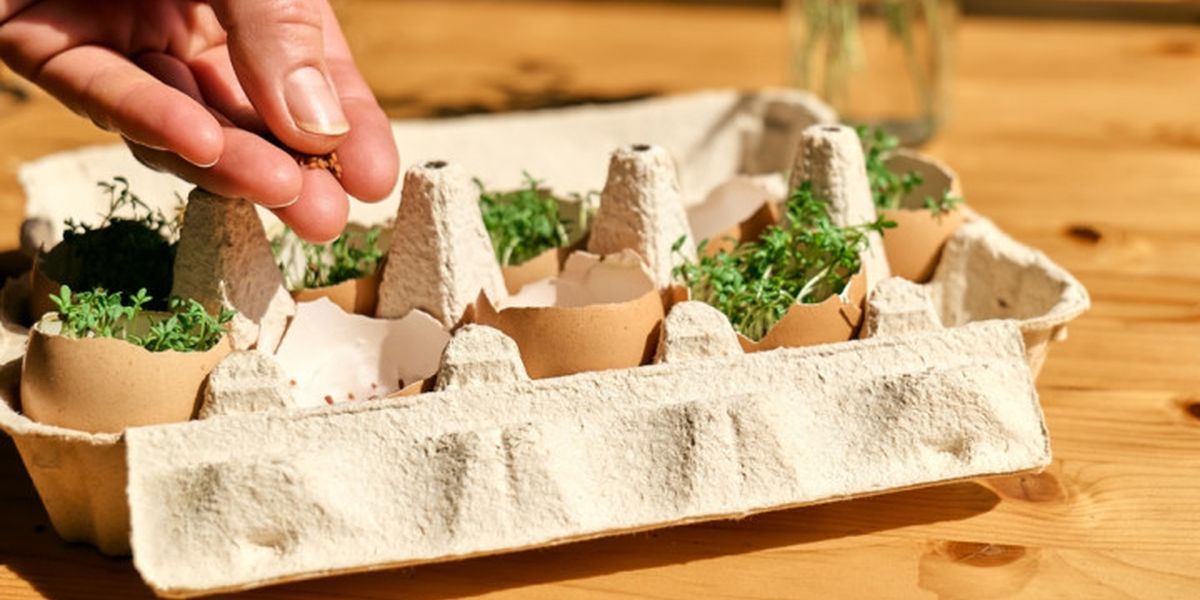
With imagination and skillful hands, both individual containers and whole seedling boxes can be made independently. Such containers will cost almost nothing, although they do not always look aesthetically pleasing.
The easiest way is to use disposable plastic cups with holes made in the bottom for seedlings. For peppers, eggplants, tomatoes, cups with a volume of 400-500 ml are suitable. Seeds can be sown directly in them or seedlings can be transplanted at the stage of 2-4 true leaves.
A little more time will be required to prepare other "improvised containers", which will first need to be cut to size and holes made for water drainage: plastic bottles, juice and milk cartons, tetrapaks. A workable option, just remember that transparent containers are not very suitable for most plants – roots do not like light, but blue-green algae will actively multiply in the soil.
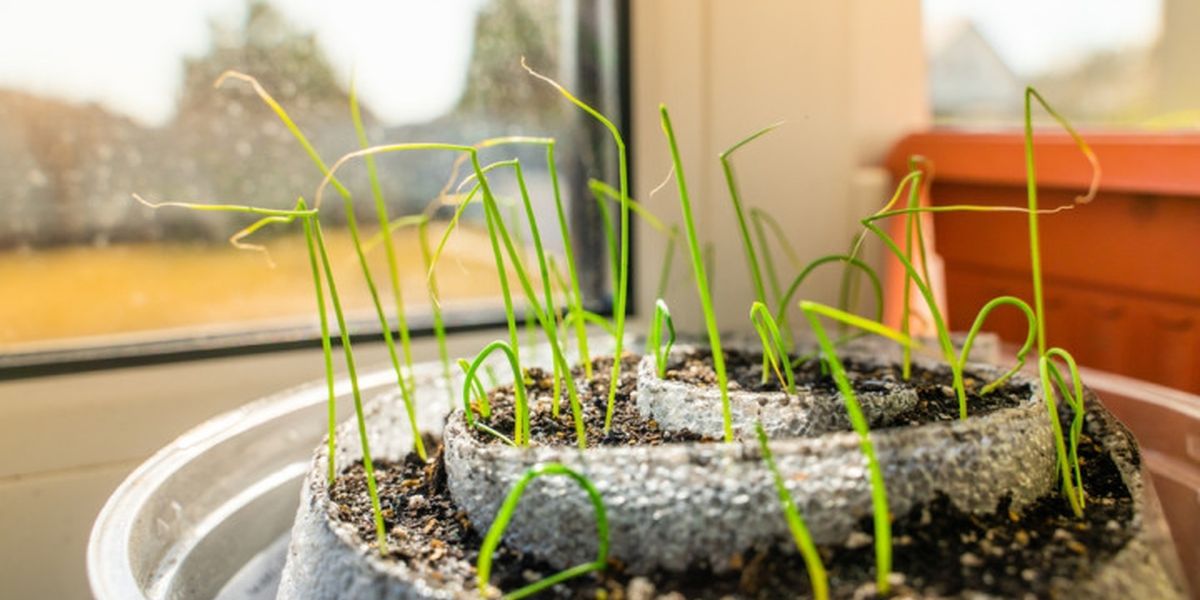
Some craftsmen have adapted to grow seedlings in so-called film "snails" – when soil is poured onto a wide strip of film, and then it is rolled into a roll and placed in a tray. The advantages of this method are great space savings, the disadvantages are the need for very frequent watering due to the small volume of soil and the short-term "residence" of seedlings there for the same reason – slightly grown plants will still need to be urgently transplanted into larger containers.
The least aesthetic and convenient are probably cardboard and paper options – the same cups, tea bags, egg cartons, homemade rolls and even sleeves from used toilet paper or paper kitchen towels. Why is this option not the best? In paper containers, the soil dries quickly, so watering must be carefully monitored. The material itself quickly soaks, falls apart, tears easily, loses appearance and shape – not suitable for long-term use.
How to prepare seedling containers for the season
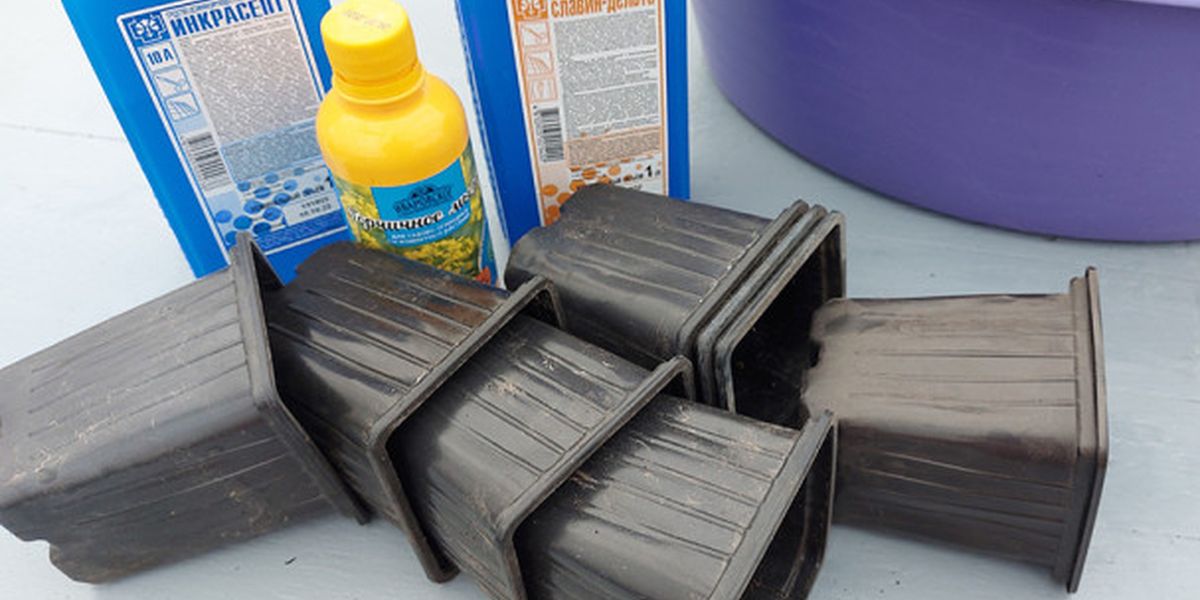
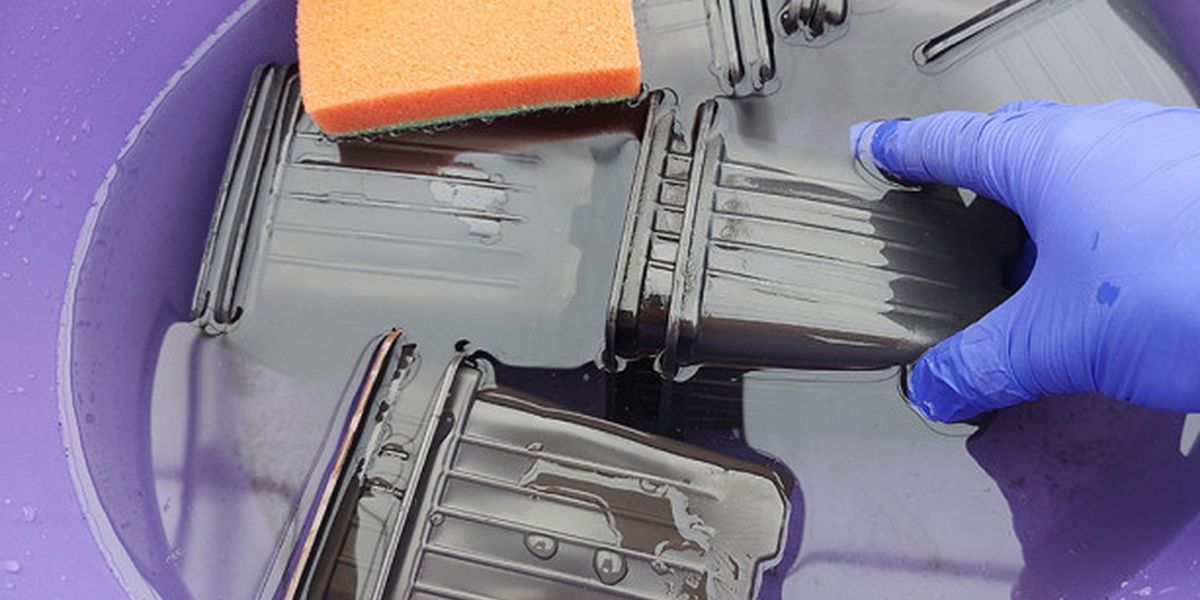
Preparation of seedling containers for the season does not depend on whether they are new or already used. Dirty plastic pots, bowls, trays, bags and boxes should be soaked in soapy solution (use household, mustard soap, etc.) and rinsed with running water, then treated with a pink solution of potassium permanganate or hydrogen peroxide. You can also use a pharmacy antiseptic designed to fight bacteria, viruses and fungi. It is desirable that the preparation contains surfactants.
Homemade containers from food products (milk, juice, yogurt, etc.) must first be thoroughly washed from their residues so as not to introduce unwanted microorganisms into the soil and not cause putrefactive processes there. Several holes are necessarily made in the bottom and containers are placed in a tray for water drainage.
If you decide to grow seedlings in a homemade wooden box, before pouring soil, line it inside with strong film so that water does not seep through the bottom and walls (both the box and the film are also treated with potassium permanganate solution or industrial antiseptic). Also make a stand or tray under it so as not to spoil the windowsill.
Of course, before sowing work you need to treat the place where containers with future seedlings will be placed – wash and disinfect windowsills, shelves, racks. If you have many houseplants, it is advisable to "separate" them territorially from seedlings in different rooms so that strong adult plants do not "share" common diseases or pests with much weaker and more delicate seedlings.
As you can see, even such a simple, seemingly, matter as choosing suitable containers for future seedlings has its nuances and subtleties. We hope our material will help you understand them.
Write a comment